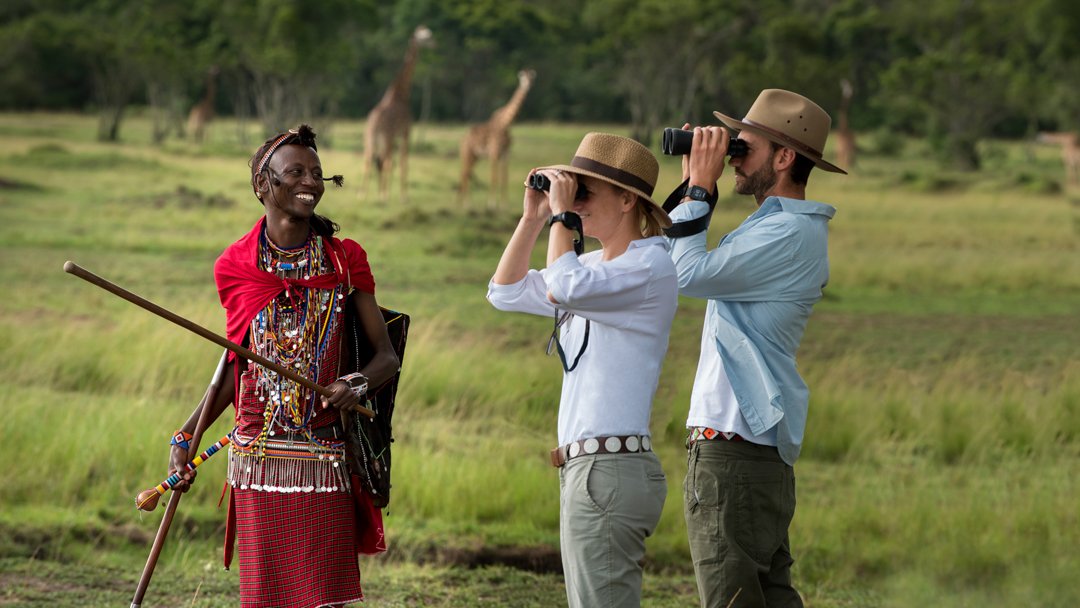
Understanding how safari tourism supports local communities reveals the deeper purpose of your East African adventure. Your visit is not just a personal thrill. It is a lifeline for villages around the parks. Jobs, schools, and healthcare depend on tourism. The gorillas you trek to see are the guardians of an entire regional economy. You become a partner in that cycle.
Safari tourism creates a direct financial link between conservation and community welfare. When tourists arrive, money flows into local hands. This income replaces unsustainable activities like poaching and logging. The forest becomes more valuable alive than cleared. This model has transformed the areas around Bwindi and Volcanoes National Park. Your presence strengthens that transformation.
Revenue Sharing From Park Fees
Uganda Wildlife Authority shares twenty percent of park fees with local communities. This is a legal requirement. The money builds schools, health clinics, and water tanks. Roads improve. Small businesses start. The forest becomes an economic asset. Villagers protect it because their children’s future depends on it. Gorillas become partners in development.
In addition, Rwanda follows a similar model. Volcanoes National Park revenue funds community projects. The benefit is tangible. You can see the schools and clinics during your visit. Your guide may introduce you to people whose lives changed. The connection is real. How safari tourism supports local communities is visible everywhere. You simply need to look.
Jobs and Skills Development
Tourism employs thousands of people. Guides, porters, trackers, and lodge staff all earn a living. Former poachers have become protectors. Their bush skills now serve conservation. Women work as cooks, cleaners, and artisans. Young people train as drivers and hospitality staff. A whole generation has found purpose in tourism.
Moreover, skills training programmes exist. Lodges teach English, computer literacy, and customer service. These skills last a lifetime. Even if someone leaves tourism, they carry valuable experience. The industry creates upward mobility. It breaks cycles of poverty. How safari tourism supports local communities goes beyond cash. It builds human capacity and dignity.
Cultural Preservation and Pride
Safari tourism celebrates local cultures. The Batwa people share their forest heritage with visitors. Traditional dancers perform at lodges. Craft markets sell handmade goods. These experiences keep traditions alive. Young people learn dances and stories they might otherwise forget. Culture becomes valuable because tourists appreciate it. Pride flourishes.
Furthermore, communities gain a voice. Tourism revenue gives them bargaining power with governments. They are not passive recipients. They are partners in conservation. This empowerment is transformative. Villages near Bwindi have more influence than ever before. They shape their own destiny. Safari tourism amplifies their voices.
Your Role as a Responsible Traveller
You can amplify the positive impact. Hire local porters and guides. Buy crafts directly from artisans. Eat at local restaurants. Stay at lodges that employ and train locals. Ask about community projects. Visit them if possible. Your spending choices matter. Every dollar can build a future.
Therefore, travel with awareness. Know that how safari tourism supports local communities depends partly on you. Choose operators who give back. Avoid those who exploit. Your safari becomes a force for good. The gorillas, the forests, and the people all thrive together. Your visit leaves a legacy of hope.

Leave a Comment