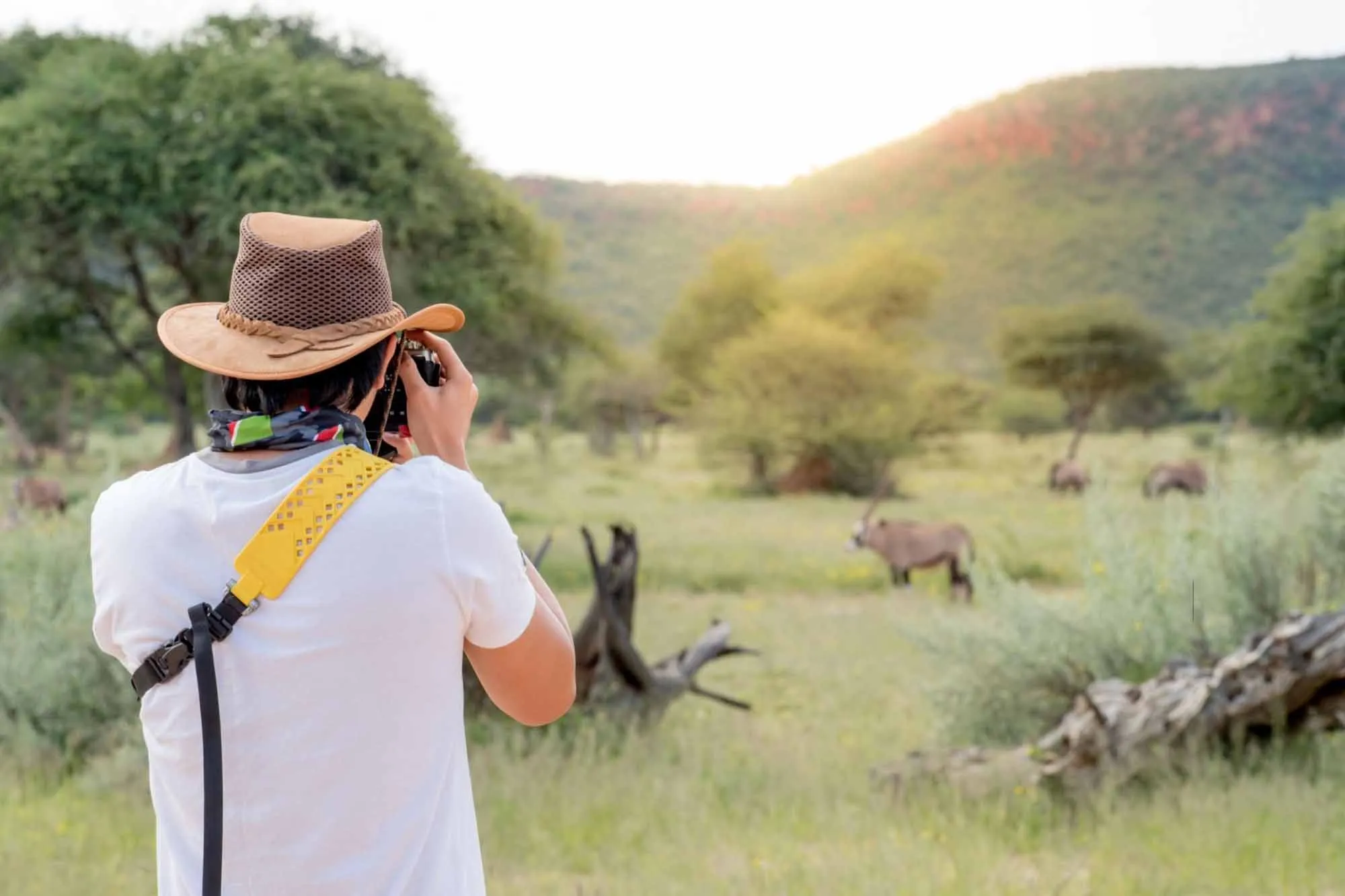
Uganda safari tours solo travelers choose prove that adventure is best alone. There is a particular kind of freedom that comes with traveling alone. No compromises on where to eat, when to wake up, or how long to linger at a viewpoint. No waiting for someone else to be ready. Just you, your instincts, and the open road stretching ahead. For solo travelers who have felt this pull, Uganda — the Pearl of Africa — is emerging as one of the most rewarding destinations on the continent. The country is safe, welcoming, and built for independent adventurers who want both freedom and connection in equal measure.
Solo travel in Uganda is growing rapidly, and for good reason. The infrastructure across the country has improved dramatically in recent years. Roads linking the capital Kampala to the major national parks are paved and reliable. Budget guesthouses sit alongside luxury eco-lodges. Mobile connectivity is solid. The logistical barriers that once made African solo travel feel daunting have been quietly dismantled, one road, one network tower, and one warm handshake at a time.
But infrastructure is only part of the story. The real reason solo travelers return to Uganda — and they do return — is the people. Ugandans have a reputation for extraordinary hospitality. Strangers become guides. Guides become friends. The warmth you encounter in a roadside market, a village near a forest trail, or a community cultural center is not performative. It is genuine, rooted in a culture that has always made room for the visitor, the wanderer, the curious outsider looking in.
A Country Built for the Independent Spirit
Uganda punches far above its weight as a safari destination. Within its compact borders — roughly the size of the United Kingdom — you find an almost impossible variety of ecosystems. Snow-capped equatorial peaks rise in the Rwenzori Mountains. Vast savannahs stretch across Kidepo Valley, one of Africa’s most remote and awe-inspiring parks. The Nile thunders through rapids at Jinja before slowing into the calm waters of Lake Victoria, the world’s largest tropical lake. In the southwest, the impenetrable Bwindi forest cradles roughly half the world’s surviving mountain gorillas.
This diversity means that no two days on a solo Uganda safari feel the same. One morning you are scanning the horizon from an open-topped vehicle in Queen Elizabeth National Park, watching a pride of lions draped lazily over a termite mound. The next afternoon you are on a boat, drifting along the Kazinga Channel while hippos submerge themselves just meters from your hull and fish eagles circle overhead. Then, before the week is done, you are stepping into the cathedral hush of an ancient forest, breathing mist-cooled air, and coming face to face with a mountain gorilla — an experience so profound that experienced travelers struggle to find the words for it.
Solo travel means you absorb all of this without distraction. You set your own pace. You follow your curiosity down side paths. You sit with what you have seen and let it settle without the noise of group conversation filling the silence. Uganda’s wildlife is life-affirming in the truest sense, and solitude amplifies that effect.
Group Tours: Social, Safe, and Surprisingly Affordable
For many solo travelers, the first question is a practical one: will I be lonely, and will I be safe? The answer to both, in Uganda, is reassuring — and the small-group safari format is largely responsible for that.
Joining a small group safari is the most popular choice for solo travelers visiting Uganda, and it is easy to understand why. Operators across Kampala and Kigali offer scheduled departure tours with set itineraries covering the country’s highlights. You book your spot as a single participant, arrive at the starting point, and within hours you are seated around a communal dinner table with fellow adventurers from across the world. The group dynamic shifts remarkably quickly from strangers to companions. Shared experiences — a chimpanzee bursting unexpectedly through the undergrowth, a stunning sunset over Lake Mburo — accelerate connection in a way that ordinary socializing rarely does.
Beyond the social dimension, group tours deliver a practical gift to the solo traveler: shared costs. Safari vehicles, permits, guides, and accommodation represent significant expenses when carried alone. In a group, those costs distribute evenly, bringing the overall price of a Uganda safari within reach for travelers on a considered budget. Many operators also eliminate the dreaded single supplement on certain accommodations, particularly in lodge categories that welcome group bookings. Booking early is essential, both to secure your place and to lock in the best rates before permits — especially gorilla trekking permits — sell out.
The gorilla trek deserves particular mention. It is the centerpiece of most Uganda itineraries, and for solo travelers, it becomes something larger than a personal achievement. The trek itself is challenging — muddy slopes, dense vegetation, altitude, and the unpredictable pace of tracking an animal in its own wild habitat. When the gorillas are finally found, the group gathers in silence, standing together in that extraordinary presence. The trek becomes a shared triumph. You may have started the morning as strangers, but you finish it as people who have witnessed something extraordinary together. Lifelong friendships have begun in exactly that moment.
Private Tours: Freedom, Depth, and Complete Flexibility
For the solo traveler who values absolute independence above all, the private tour offers something the group format cannot: complete control over every minute of every day. With your own dedicated vehicle and guide, you answer to no schedule but your own. You linger at the waterhole until the light is perfect. You skip the crowded viewpoint and find a quiet ridge instead. You ask your guide to stop at the roadside village you spotted through the window because something caught your eye and your curiosity demanded satisfaction.
Private tours in Uganda are safe. Your guide is your constant companion and your greatest asset. Uganda’s guides are among the best on the continent — formally trained, deeply knowledgeable, and genuinely passionate about the country’s wildlife and culture. They share that knowledge generously, reading the bush with practiced eyes, spotting a chameleon motionless on a branch that you would have walked past without a second glance. They also become, in the gentle way of long shared days, a friend. The solitude of the African bush is profound, but it is a different kind of solitude when you have a trusted companion beside you — one who deepens your experience rather than interrupting it.
The cost of a private safari is higher than a group tour, and that is the honest reality. But for solo travelers who have the budget and the desire for that level of personalization, it is an investment that repays itself in depth of experience. You are not just seeing Uganda; you are understanding it, on your own terms, at your own pace.
Practical Tips for Solo Safari Success
Preparation makes the difference between a good solo trip and an unforgettable one. Here are the essentials for solo travelers heading to Uganda.
Choose accommodation thoughtfully. Many lodges across Uganda’s parks actively welcome solo guests and either waive the single supplement entirely or reduce it significantly. Research this before booking — it can make a meaningful difference to your total costs. Camps that foster communal dining are particularly good choices, as they create natural spaces to meet other travelers without any obligation.
Use registered, reputable operators. The solo traveler’s greatest protection is a trustworthy tour company. Look for operators with strong, independent reviews, clear communication, and verifiable experience with solo guests. Ask direct questions about safety protocols, guide qualifications, and vehicle standards. A good operator like Kenlink Tours will answer every question with patience and transparency.
Share your itinerary. Before you depart, send your full day-by-day schedule to someone you trust back home. Include the names and contact details of your hotels and operator. Check in when you arrive somewhere new. This is simple, sensible practice for any solo traveler anywhere in the world, and Uganda is no different.
Keep your phone charged and your data active. Uganda’s mobile network is reliable in most tourist areas. A local SIM card is cheap and easy to obtain in Kampala. Download offline maps for areas where connectivity may dip.
Carry a journal. The quiet evenings in a safari lodge — watching the sky turn amber and the wildlife settle in for the night — are among Uganda’s most beautiful moments. They are also moments when having something to write in becomes valuable. Record what you saw, what you felt, what surprised you. Those notes become the most vivid travel writing you will ever read.
You Are Never Truly Alone
Solo travel in Uganda is not really about being alone. It is about being free — free to choose your companions, free to choose your pace, free to go where your curiosity leads without negotiation or compromise. The country surrounds that freedom with warmth. The guides support it. The landscapes reward it. And somewhere along the trail, in a boat on the Nile or a clearing in the forest, you will find that your independent spirit has found exactly the home it was looking for.

Leave a Comment