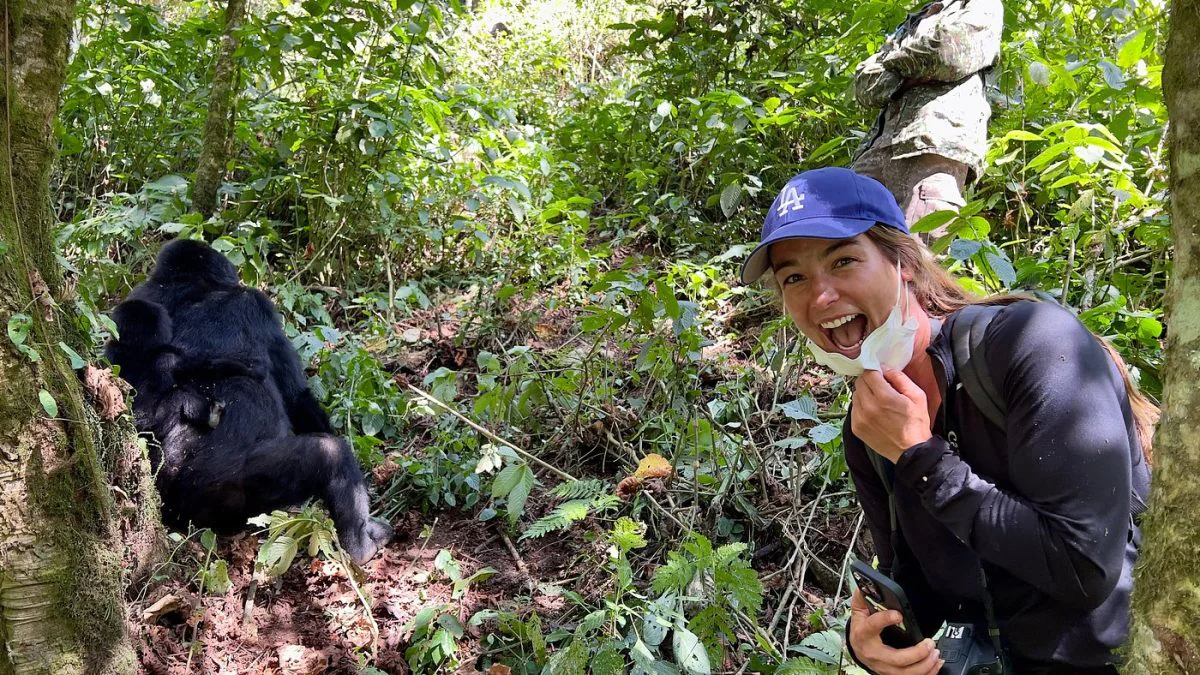
Affordable Gorilla Trekking Safaris Starting in Kigali. Kigali is one of the cleanest, safest, and most well-connected cities in East Africa, and it sits in a uniquely powerful position for wildlife travellers. Tucked in the heart of Rwanda, it places you within striking distance of some of the world’s most extraordinary primate destinations — most notably, the mountain gorillas of Bwindi Impenetrable National Park in Uganda. If you have ever dreamed of tracking these magnificent creatures through ancient rainforest, you may be surprised to discover just how accessible, affordable, and smoothly organized a gorilla safari starting from Kigali can be. This guide covers everything from costs and timing to transport, permits, and how to make the most of every shilling and dollar on this bucket-list adventure.
Why Kigali Is the Ideal Starting Point for a Gorilla Safari
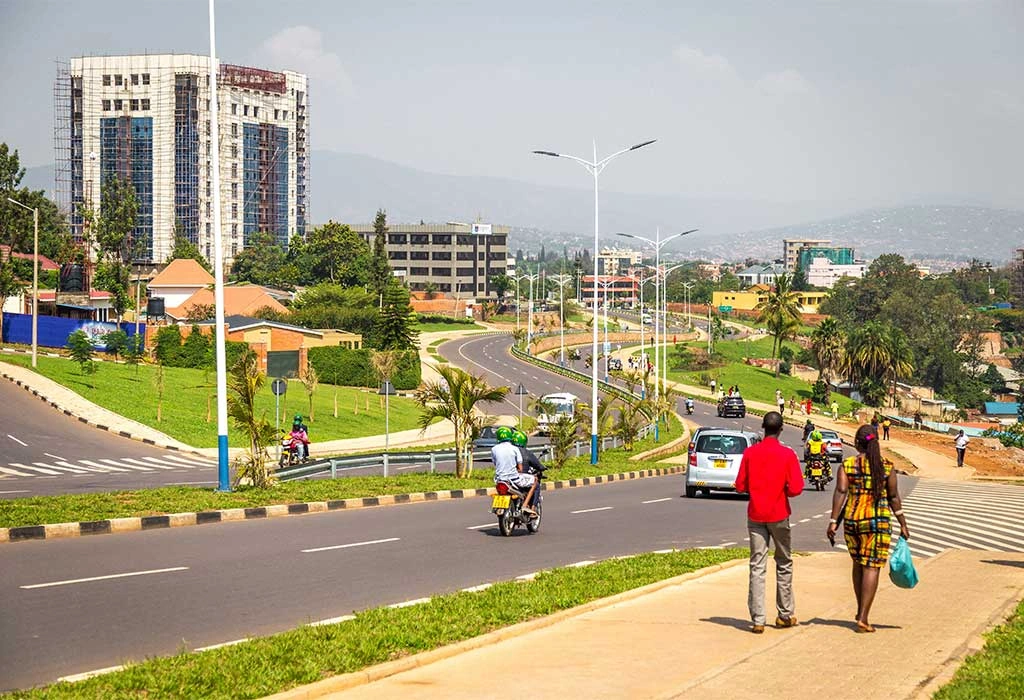
Most travellers assume that gorilla trekking from Kigali means visiting Rwanda’s Volcanoes National Park — a beautiful option, but not the only one. Many visitors flying into Kigali actually find it faster and more cost-effective to head to Uganda’s Bwindi Impenetrable National Park, which lies just four to six hours from the Rwandan capital by road. The route passes through Rwanda’s iconic terraced highlands, crosses the Cyanika mountain border post, winds through the Kisoro volcanic landscape, and ends in one of Africa’s most biodiverse ecosystems.
Beyond the geography, Kigali offers excellent international flight connections, a growing range of affordable accommodation, and an established network of cross-border safari operators who specialise in making the journey seamless for first-time and returning visitors alike. Whether you are travelling solo, as a couple, or with a group, starting your gorilla safari from Kigali opens up a wider menu of options than many travellers realise.
Understanding Gorilla Trekking Permit Costs and What Is Actually Included
The gorilla trekking permit is the single largest cost in any gorilla safari and the one element that catches most first-timers off guard. In Uganda, a standard gorilla trekking permit currently costs USD 800 per person for foreign non-residents. This may sound steep, but it covers your official access to track a habituated gorilla family in their natural habitat and enjoy a full one-hour encounter — an experience that wildlife enthusiasts consistently rank among the most moving of their lives.
Importantly, the permit fee is not simply a ticket price. Seventy-five percent of what you pay goes directly toward mountain gorilla conservation, with additional portions supporting local communities and government park management. It is one of the most ethical ways to spend your safari budget. For those who want an even deeper experience, a gorilla habituation permit in Uganda costs USD 1,500 and allows up to four hours with the gorilla family during the habituation process — something available in only a handful of families in southern Bwindi.
You can read a detailed guide on booking a gorilla permit in Uganda to understand exactly how permits are issued, which sectors they apply to, and how far in advance you need to plan. For a full breakdown of what the total safari costs from Kigali, including accommodation and transfers, our page on how much a gorilla safari in Bwindi costs from Kigali provides up-to-date figures and package comparisons.
The Drive from Kigali to Bwindi — What the Journey Looks Like
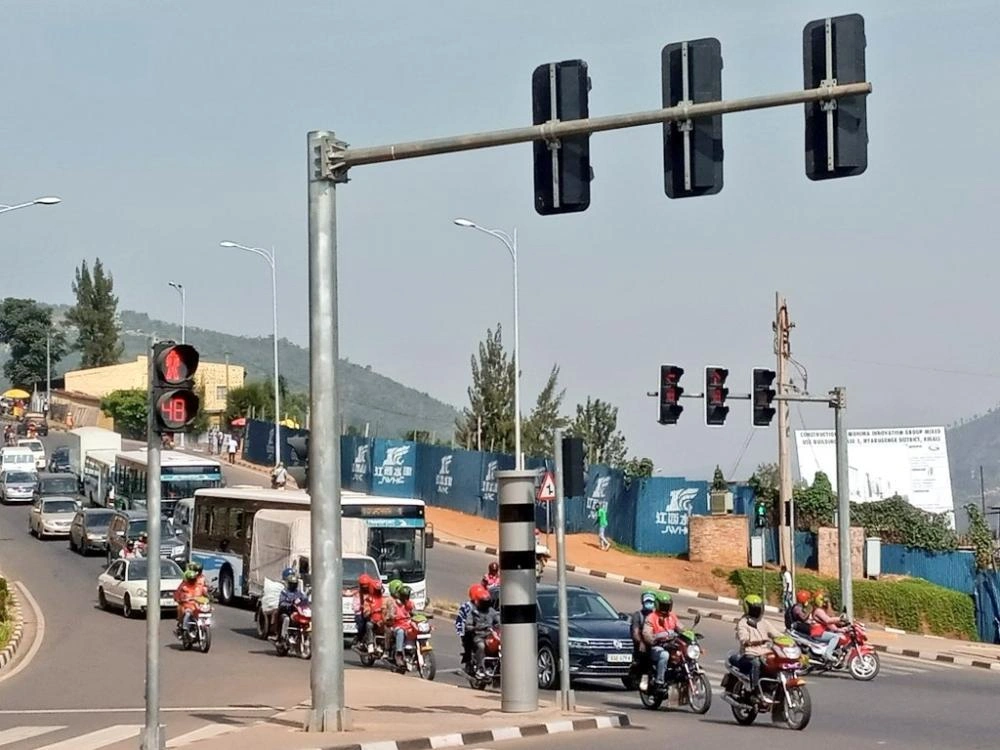
The road journey from Kigali to Bwindi Impenetrable National Park is, in itself, part of the experience. The route takes approximately five to seven hours depending on traffic at the border and road conditions. You depart Kigali heading northwest, passing through Musanze — the gateway town to Rwanda’s Volcanoes National Park — before climbing to the Cyanika border post, one of the quieter and more scenic of all the Rwanda-Uganda crossings.
Once in Uganda, the road descends through the Kisoro highlands, where five Virunga volcanoes crowd the horizon. It is a genuinely dramatic landscape that sets the tone beautifully for the gorilla experience ahead. From Kisoro, the road rises again toward Bwindi’s forest edge, and your lodge or camp appears through the tree canopy like something from a documentary. For travellers wondering about the cost of a private transfer from Kigali to Bwindi, the answer depends on your group size and vehicle preference — but the range is wide enough to suit most budgets.
Having a dedicated driver-guide throughout this journey makes an enormous difference. Not only do they manage border paperwork and logistics, but they also brief you on the trekking experience, point out wildlife along the way, and ensure you arrive rested rather than frazzled.
Choosing the Right Safari Package from Kigali
The most popular format for gorilla trekking from Kigali is the three-day safari — one day travelling to Bwindi, one day for the actual gorilla trek, and one day returning to Kigali. This format fits cleanly into a wider international itinerary and is the ideal choice for travellers with limited time but a strong desire for an immersive wildlife experience.
Our 3-day gorilla trekking package starting from Kigali is one of the most popular on our books, covering private transfer, the gorilla permit, two nights of accommodation at a Bwindi lodge, all meals as listed, and professional guide support from pickup to drop-off. For those with more time, there are longer options that combine gorilla trekking with chimpanzee tracking, game drives, or boat safaris. You can explore the full range of safari packages available from Kigali to find the combination that suits your interests and budget.
If you are looking for inspiration on multi-day itineraries, this 7-day gorilla and wildlife safari in Uganda is a beautifully crafted option that pairs Bwindi gorilla trekking with wildlife encounters in Queen Elizabeth National Park. For a quick three-day dedicated gorilla option, this 3-day Uganda gorillas safari is also worth considering as a reference for what is possible in a shorter window.
The Best Time to Trek Gorillas from Kigali
Gorilla trekking in Uganda operates year-round, and there is genuinely no bad month to go. That said, timing does affect both the trail conditions and your overall experience. The two dry seasons — June to September and December to February — are the most popular, offering firmer, easier terrain in Bwindi’s steep and densely forested landscape. Permits during these months sell out quickly, sometimes up to ten months in advance for peak weeks.
The wet seasons, spanning March to May and October to November, bring lush, atmospheric rainforest conditions with fewer visitors on the trails. Accommodation rates also tend to drop during these months, making a wet season trip the smart choice for budget-conscious travellers. The gorilla encounter itself is equally extraordinary regardless of weather — silverbacks do not take rainy days off. For a detailed look at affordable trekking options by season, this guide on how to do a cheap gorilla safari in Uganda offers practical, experience-backed advice.
What to Expect on the Day of Your Trek
On trekking day, you are transferred to the Uganda Wildlife Authority briefing point by 7:30 AM. Rangers divide visitors into groups of eight and assign each group to a specific habituated gorilla family. The trek into Bwindi’s ancient, root-tangled forest then begins — a journey that can take anywhere from thirty minutes to six hours depending on where the gorillas have moved overnight.
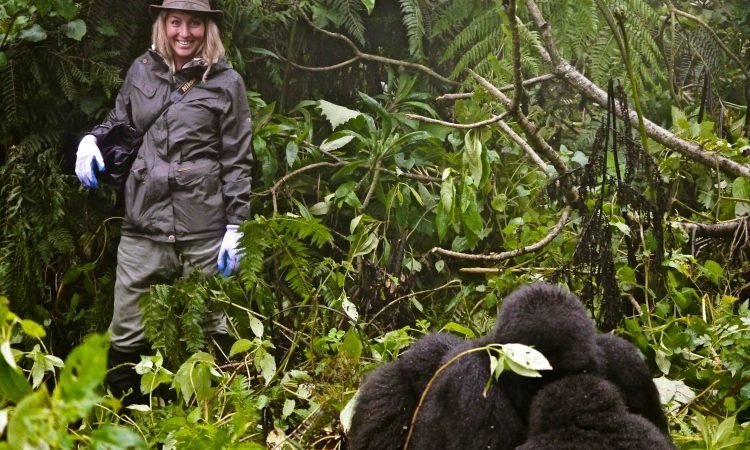
When you find them, you have one full hour in their presence. The encounter is intimate, unscripted, and entirely unlike anything in a zoo or safari park. Silverbacks recline a few metres away. Juveniles tumble through the undergrowth. Nursing mothers watch you with patient curiosity. It is a genuinely transformative moment, and the memory tends to stay with you in a way that few travel experiences do. If you are curious about all the available gorilla tours in the region, these gorilla tour booking options offer a useful comparison of different itineraries and price points.
Vehicles, Fleet, and How We Get You There
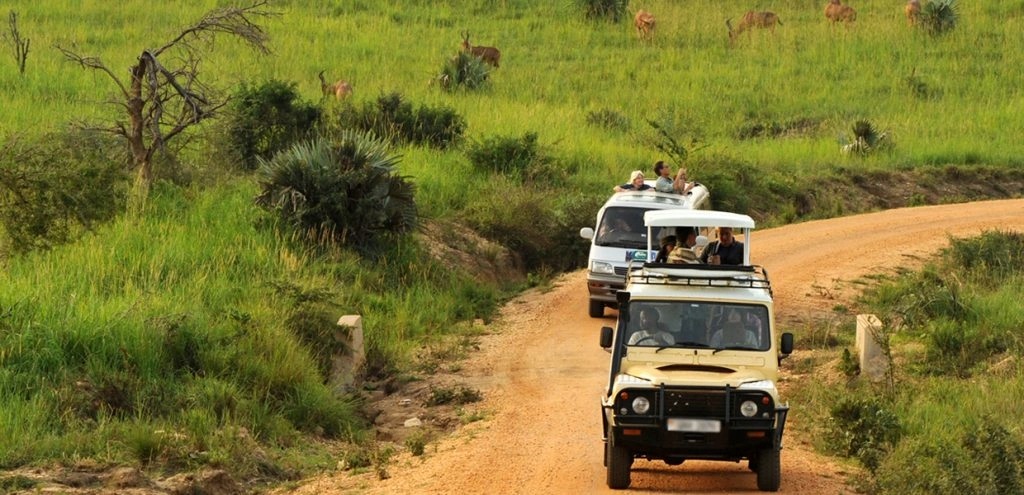
The quality of your transfer vehicle matters more than many travellers anticipate. Bwindi’s approach roads are steep, narrow, and occasionally rough — particularly after rainfall. A comfortable, well-maintained 4×4 is not a luxury; it is a practical necessity. Our vehicle fleet includes Safari Land Cruiser Jeeps, Toyota Hiace Safari Vans, and Prado 4×4s, all regularly maintained and equipped for Uganda’s mountain terrain.
For solo travellers or couples, the Safari Land Cruiser is the ideal choice — four seats, pop-up roof, and excellent ground clearance for forest roads. Families and small groups tend to prefer the Toyota Hiace Safari Van with room for up to ten passengers and ample luggage space. For those who want something in between, the Prado TX Ordinary is a reliable and spacious seven-seater.
If you prefer to explore the region independently, there is also a self-drive gorilla safari option available — this self-drive gorilla safari guide covers everything you need to know about navigating Uganda’s roads and gorilla park access points on your own schedule. For those who want full itinerary support and curated bookings across the region, the Uganda safari bookings page is a comprehensive resource for planning a wider East Africa trip.
Finding the Nearest Gorilla Park from Kigali
For travellers who want to stay in Rwanda and keep the journey shorter, Volcanoes National Park is the nearest gorilla destination to Kigali — just two to three hours by road. However, gorilla permits in Rwanda cost USD 1,500 per person, nearly double the Uganda rate. Many travellers find that the extra hours on the road to Bwindi represent excellent value when weighed against the permit saving and the distinctly wilder, more immersive atmosphere of Uganda’s forest.
Our detailed guide on the nearest gorilla national park from Kigali compares both options honestly, including trek difficulty, permit costs, accommodation range, and overall experience to help you decide which destination is right for you. For those interested in a short Mgahinga trip, our page on the best car hire options near Mgahinga National Park is also worth a read — Mgahinga offers a unique volcanic landscape and is Uganda’s least-visited gorilla park, making it an appealing choice for travellers who prefer a quieter experience.
Plan Your Gorilla Safari from Kigali Today
Whether this is your first visit to East Africa or you are returning for another deep dive into the continent’s wild places, a gorilla trek starting from Kigali is one of the most rewarding journeys you can take. The logistics are manageable, the costs are transparent, and the experience itself is one that no photograph quite does justice to.
To start planning, explore our full range of safaris from Kigali, learn more about the team and the values behind the operation on our About Us page, or read more about gorilla trekking in Uganda from Kigali for a full overview of what to expect from departure to return. When you are ready to take the next step, our team is available around the clock — simply head to the Contact Us page and one of our consultants will get back to you promptly with availability, pricing, and itinerary options tailored to your travel dates.
The gorillas are waiting. The forest is ready. All you have to do is take the first step.

Leave a Comment