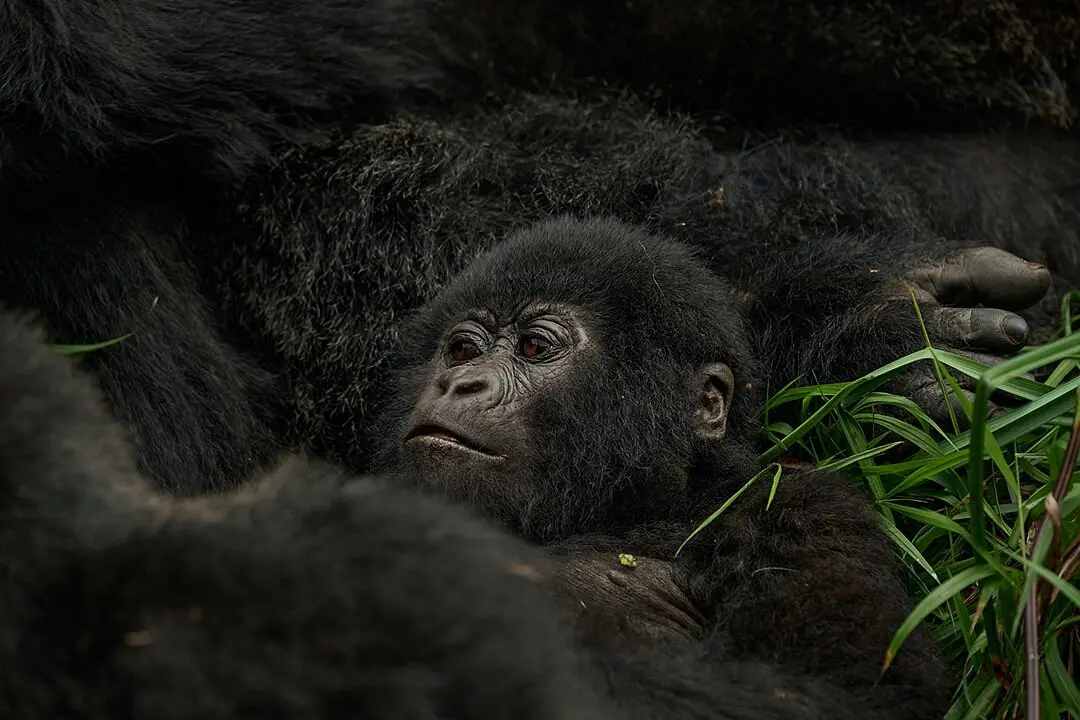
3 Days Gorilla Trekking Uganda from Kigali Itinerary. If you have ever dreamed of standing face to face with a mountain gorilla in the wild, then this itinerary was written for you. The 3 Days Gorilla Trekking Uganda from Kigali route is one of the most popular short safari adventures in East Africa — and for good reason. Starting from Rwanda’s vibrant capital, this seamless three-day journey crosses into southwestern Uganda, ventures deep into one of the oldest and most biodiverse rainforests on the planet, and returns you to Kigali with memories that will last a lifetime. Whether you are on a tight travel schedule or simply want to add a powerful wildlife experience to your Rwanda trip, this itinerary is perfectly designed to deliver the extraordinary without asking for too much of your time.
Why Do Gorilla Trekking in Uganda from Kigali?
Many travelers are surprised to learn that Kigali, Rwanda is actually one of the best entry points for gorilla trekking in Uganda. The reason is simple: Bwindi Impenetrable National Park, Uganda’s premier gorilla destination, sits just a few hours’ drive across the border from Kigali via the scenic Cyanika crossing. Compare that to flying into Entebbe and driving eight to nine hours southwest, and the logic becomes immediately clear. Travelers already in Rwanda can cross into Uganda in a single morning and arrive at their Bwindi forest lodge in the late afternoon — refreshed, comfortable, and ready for the trek ahead.
Beyond the logistics, Uganda offers gorilla permits at USD 800 per person — significantly lower than Rwanda’s USD 1,500 — making it the more budget-conscious choice without any compromise on the quality of the experience itself. Uganda is home to more than half of the world’s remaining mountain gorilla population, with habituated families spread across four trekking sectors within Bwindi Impenetrable National Park. For everything you need to know about the permit process before you go, the guide to booking a gorilla permit in Uganda is an essential first read.
Day 1: Kigali to Bwindi — The Scenic Journey Begins
Your adventure begins early. Pickup from your Kigali hotel or Kigali International Airport typically happens between 6:30 and 7:00 AM, giving you the full day to enjoy one of the most visually rewarding drives in the region. The route heads northwest through Rwanda’s famous thousand hills — terraced ridgelines of emerald green, punctuated by small roadside towns and morning mist still clinging to the valleys below.
The first major landmark is Musanze, Rwanda’s northern gateway city and the base for Volcanoes National Park. Passing through here, you begin to feel the altitude lift and the air freshen. From Musanze, the road climbs toward the Cyanika mountain pass, which serves as the Rwanda–Uganda border crossing. Cyanika is known as the most scenic and least congested of the crossings, and on a clear day you are rewarded with sweeping views of the Virunga volcanic range — five ancient volcanoes stretching across three countries.
On the Ugandan side of the border, the landscape shifts again. The road descends through Kisoro town, where local markets spill colour onto the roadside and the twin peaks of Muhavura and Gahinga volcanoes fill the mirror. From Kisoro, you begin the final ascent toward the Bwindi forest edge — a lush, ancient canopy so dense it earns its name: “impenetrable.”
Arriving at your lodge in the late afternoon, you check in, enjoy a hot dinner, and receive a briefing from your guide about the following morning’s trek. For a detailed breakdown of the full itinerary including included meals and logistics, visit the 3 Days Gorilla Trekking Uganda Starting from Rwanda tour page. For those curious about what this journey costs in total, the gorilla safari cost guide from Kigali breaks down every expense with clarity.
Day 2: Gorilla Trekking in Bwindi Impenetrable Forest
This is the day that changes everything. After an early breakfast at the lodge, your driver transfers you to the Uganda Wildlife Authority briefing point, where you must arrive by 7:30 AM. Rangers from the UWA lead a short but important orientation session — covering trekking etiquette, gorilla behaviour, and health protocols. You are assigned to a group of no more than eight people, each group tracking a specific habituated gorilla family. Once the briefing ends, the trek begins.
Bwindi’s terrain is famously dramatic. Ancient fig and mahogany trees tower overhead, roots snake across the forest floor, and the calls of Albertine Rift endemics echo through the undergrowth. Trek times vary depending on where your assigned gorilla family has moved — some groups find their gorillas within 30 minutes; others may trek for up to five or six hours. No matter the distance, the moment you step into the gorilla family’s space is one that no description fully captures.
A 400-pound silverback resting metres from your boots. A mother nursing her infant, her dark eyes regarding you with curious calm. Juveniles somersaulting through low branches in a game only they understand. You have exactly one hour in the presence of the family — sixty precious minutes that will pass far too quickly. Photography is unrestricted (no flash), and your guide is on hand to identify individuals and narrate behaviour throughout.
After the trek, you return to the lodge for a hot lunch and a well-deserved afternoon rest. Adventurous guests sometimes opt for an optional community village walk in the late afternoon, which connects you with the local Batwa and Bakiga communities living at the forest edge. For a broader look at the Uganda gorilla experience, the gorilla trekking Uganda overview at Kenlink Tours is a comprehensive resource worth bookmarking. If you are considering extending your time in Uganda beyond three days, the 7 Days Gorilla and Wildlife Safari itinerary adds Queen Elizabeth National Park and Kibale chimpanzee tracking to create a full East African adventure.
Day 3: Return to Kigali — A Leisurely Journey Home
Your final morning in Bwindi begins with a relaxed breakfast and a last look at the forest canopy from your lodge terrace before checkout. The return drive to Kigali follows the same scenic route in reverse — Kisoro, the Cyanika border, Musanze, and the rolling hills of Rwanda — but with the leisurely pace of a homeward journey and the satisfaction of an extraordinary experience behind you.
Many groups make an optional stop at Lake Mutanda on the way out of Kisoro. This volcanic crater lake, fringed with papyrus and overlooked by the Virunga volcanoes, offers one of the most dramatic panoramas in the entire region and makes for a memorable final photograph before crossing back into Rwanda. There is also an opportunity to visit the Kisoro craft market for handmade souvenirs, woven baskets, and locally produced coffee.
You arrive back in Kigali by early-to-mid afternoon — typically before 3:00 PM — with enough time for a rest, a city dinner, or an evening flight connection. Drop-off is at your Kigali hotel, the airport, or any city address of your choice. For a complete picture of the private transfer costs involved in this route, the private transfer cost from Kigali to Bwindi page provides detailed pricing for different vehicle types and group sizes.
Choosing the Right Vehicle for the Journey
The road between Kigali and Bwindi is largely tarmacked but includes stretches of mountain terrain that demand a capable, well-maintained 4×4. A standard saloon car is not suitable for this route. The most popular vehicle choice for solo travelers and couples is the Safari Landcruiser Jeep — a robust, comfortable 4-seater with a pop-up roof and excellent ground clearance. Families and small groups tend to prefer the Toyota Hiace Safari Van, which seats up to ten and provides generous luggage space alongside a smooth, elevated viewing position on the highland roads. For groups of three to five, the Prado TX is a popular middle ground — spacious, powerful, and built for Uganda’s roads. You can browse the full range on the Our Fleet page and select the vehicle that best suits your party size and budget.
What to Pack for the Gorilla Trek
Preparation makes a meaningful difference to your trekking experience. Pack neutral or dark-green clothing — forest camouflage that allows you to blend into the environment rather than startle the gorillas. Long sleeves and long trousers protect against stinging nettles, biting insects, and thorny undergrowth. Waterproof hiking boots with ankle support are non-negotiable; the forest floor is uneven and can be wet even during the dry season.
Bring a light rain jacket, a wide-brimmed hat, insect repellent, and a pair of lightweight garden gloves — invaluable when gripping vegetation on steep sections of trail. A walking stick significantly reduces fatigue and is usually available at the briefing point. Porters can be hired at the park for approximately USD 15 to carry your daypack and provide physical support on the steepest climbs. If you are on a tight budget but still want to experience this adventure, the guide on affordable gorilla safaris in Uganda at Kenlink Tours offers genuinely practical advice. Travelers preferring to self-drive can also find useful guidance on the Uganda gorilla safari self-drive page.
Gorilla Trekking Tips for First-Time Visitors
One of the most common questions first-time trekkers ask is which sector of Bwindi is best. The answer depends on your accommodation preferences and trekking experience. Buhoma in the north is the most established sector with the widest range of accommodation options, while Rushaga in the south has the most habituated gorilla families available for trekking. Nkuringo is the most remote and adventurous, while Ruhija offers a more forested, birdwatcher-friendly atmosphere. The nearest gorilla national park from Kigali guide explains proximity and access for each sector in detail.
Mgahinga Gorilla National Park is another Uganda option worth knowing. Smaller and less visited than Bwindi, Mgahinga sits directly on the border with Rwanda and the DRC, and is particularly accessible via Kisoro. For car hire options close to the park, the best car hire companies near Mgahinga National Park page is a helpful reference.
Permits must be secured well in advance — ideally six to ten months ahead for peak season travel. Never arrive at the park hoping for a walk-in permit; it almost never works. Booking through a trusted operator or browsing available gorilla tours for booking in Uganda gives you the best chance of securing your preferred dates. For complete Uganda safari planning including accommodation and additional activities, the Uganda safari bookings page at Kenlink Tours is an excellent starting point.
Plan Your Gorilla Safari Today
The 3 Days Gorilla Trekking Uganda from Kigali itinerary is one of the most efficient, rewarding, and deeply moving wildlife experiences available anywhere on earth. In just three days, you experience the drama of East Africa’s highland scenery, the thrill of a cross-border adventure, and the singular privilege of sharing space with mountain gorillas in their ancient rainforest home.
Whether you are planning your first gorilla trek or returning for another encounter, having the right team behind your transfer makes all the difference. Browse all safari packages on offer to find the perfect fit for your schedule, or learn more about the team that has been proudly connecting travelers with East Africa’s wild places since 2006. To start planning your specific itinerary, get in touch directly through the Contact Us page — our consultants are available around the clock and are ready to help you make this experience the most memorable of your travels.
Your gorillas are waiting. Let the journey begin.

Leave a Comment