Best Cultural Villages to Visit in Rwanda. Rwanda is celebrated worldwide for its mountain gorillas, misty volcanoes, and dramatic landscapes — but the country’s true soul lives in its cultural villages. Scattered across green hillsides and lakeshore communities, these living museums offer travellers an authentic window into Rwandan traditions, music, dance, craftsmanship, and the extraordinary resilience of its people. Whether you are arriving for gorilla trekking or extending your East Africa adventure, adding a cultural village visit to your itinerary transforms a wildlife holiday into a truly life-changing journey.
If you are already planning a trip through the region, our private transfers from Kigali to Bwindi can be combined seamlessly with cultural stops along the route, making your time in Rwanda both adventurous and deeply meaningful.
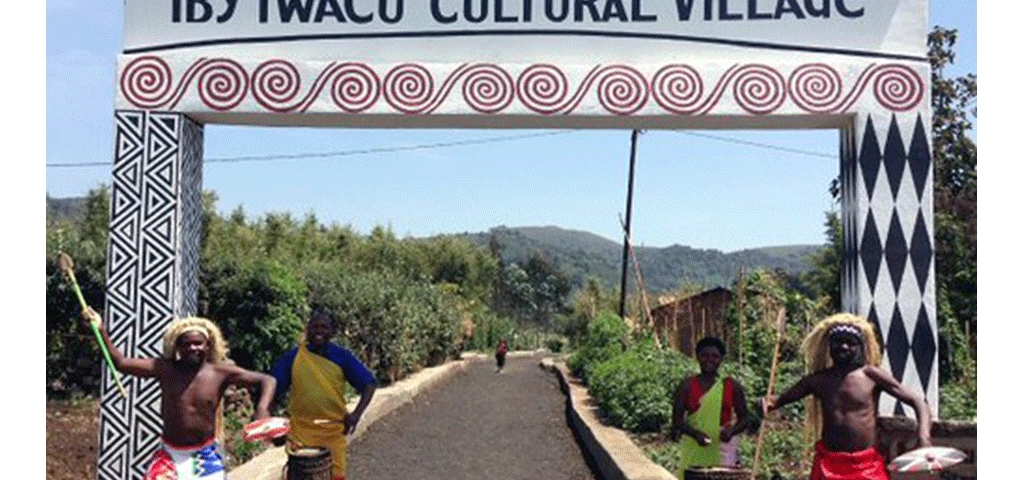
1. Iby’Iwacu Cultural Village — Kinigi, Musanze
Sitting at the gateway to Volcanoes National Park, the Iby’Iwacu Cultural Village is the most famous and best-organized cultural experience in Rwanda. Founded by former poachers who turned into conservation ambassadors, this village offers an immersive half-day or full-day experience that blends storytelling, traditional dance, medicinal herb walks, and craft demonstrations into one extraordinary program.
Visitors are welcomed by a “king” and “queen” who guide them through simulated royal court ceremonies, traditional marriage rituals, and the timeless art of banana beer brewing. The blacksmithing and pottery workshops are particularly captivating — watching artisans shape clay and iron using techniques passed down through centuries is a humbling reminder of how much knowledge lives outside of books and screens.
Iby’Iwacu pairs perfectly with a gorilla trek in Volcanoes National Park. After your early morning trek to meet the mountain gorillas, an afternoon at the village adds cultural depth to your wildlife experience. You can explore the full range of gorilla and wildlife safaris available from Kigali to see how a cultural stop fits naturally into a multi-day itinerary.
2. King’s Palace Museum — Nyanza
In the southern highlands of Rwanda, the King’s Palace Museum at Nyanza is one of the most historically significant cultural sites in the country. This reconstructed royal residence gives visitors an intimate look at the lifestyle of Rwandan royalty before colonialism reshaped the region.
The centrepiece of the museum is the beautifully restored royal hut — a towering, grass-thatched structure that served as the home of the Mwami (king). Adjacent to it grazes a herd of long-horned Inyambo cattle, the sacred royal cattle that were treated with extraordinary care and even trained to respond to praise poetry. Watching a herder sing to these dignified animals while they stand perfectly still is one of the most unusual and beautiful things you can witness in Africa.
The palace grounds also hold an ethnographic museum where royal regalia, weapons, drums, and household objects tell the story of the Rwandan monarchy across generations. Nyanza is conveniently located along the road between Kigali and the southern parks, making it an easy addition to any itinerary that includes Nyungwe Forest or Akagera.
3. Genocide Memorial Villages — Kigali and Beyond
Understanding Rwanda’s cultural landscape means honestly engaging with the 1994 Genocide against the Tutsi. Several memorial sites across the country have evolved into places of deep cultural reflection, reconciliation, and community healing. The Kigali Genocide Memorial, the Ntarama Church Memorial, and the Nyamata Memorial are solemn but essential visits that explain how contemporary Rwanda has been shaped by collective grief, justice, and an extraordinary national commitment to “Never Again.”
These are not tourist attractions in the conventional sense — they are sacred spaces. But visiting them respectfully is part of understanding the full human story of Rwanda, and many communities surrounding these memorials have established craft cooperatives and community tourism initiatives that channel proceeds directly into reconciliation programmes.
4. Rugerero Survivors Village — Gisenyi (Rubavu)
Located near the stunning shores of Lake Kivu in northwestern Rwanda, the Rugerero Survivors Village is a remarkable community-based tourism initiative established by genocide survivors. The village runs a guesthouse, craft market, and guided cultural tour programme that takes visitors into family homes, workshops, and community gardens.
The crafts here — woven baskets, hand-painted fabrics, wood carvings, and beaded jewellery — are among the finest in Rwanda, and every purchase directly supports survivor families. The location near Gisenyi makes it easy to combine with a Rwanda-Uganda adventure that crosses into southwestern Uganda for gorilla trekking in Bwindi or chimpanzee tracking in Kibale.
Lake Kivu itself adds to the appeal. The calm, volcanic waters framed by emerald hills offer boat trips to fishing villages where you can watch local fishermen haul tilapia and sambaza in traditional dugout canoes at dawn.
5. Ethnographic Museum — Huye (Butare)
The National Museum of Rwanda in Huye, formerly known as Butare, is the intellectual and cultural capital of the country. The Ethnographic Museum — the oldest and most comprehensive museum in Rwanda — houses thousands of artefacts documenting every aspect of traditional Rwandan life: agricultural tools, musical instruments, royal regalia, ceremonial objects, and intricately woven baskets.
The museum was established in 1989 and has been lovingly curated to present pre-colonial Rwandan culture with nuance and pride. For travellers who want context before visiting the cultural villages scattered around the country, this museum is an ideal first stop. Huye is also home to the National University of Rwanda, giving the town a lively, youthful energy that contrasts beautifully with its historical weight.
Combining a visit here with the 3-Day Akagera Game Drive Safari creates a southern loop that covers culture, wildlife, and some of Rwanda’s most varied landscapes.
6. Agahozo-Shalom Youth Village — Eastern Province
Unlike any other entry on this list, the Agahozo-Shalom Youth Village is a living, breathing community rather than a museum or cultural performance space. Founded as a home and school for orphans and vulnerable youth, many of them genocide survivors, this extraordinary village has become a model of community healing through arts, agriculture, and education.
Visitors are welcome on guided community visits that showcase the village’s music programmes, arts workshops, and agricultural projects. The talent on display — in music, dance, and visual art — is genuinely world-class and deeply moving. Proceeds from visits fund the ongoing education of hundreds of young Rwandans who might otherwise have had no future.
7. Inema Arts Centre — Kigali
For those who want to explore Rwanda’s living cultural scene rather than its historical past, the Inema Arts Centre in Kigali’s Kimironko neighbourhood is unmissable. Founded by brothers Emmanuel and Innocent Nkurunziza, Inema is a studio, gallery, and community creative space all in one. The art produced here — vivid, politically engaged, technically brilliant — has been exhibited internationally and represents a new chapter in Rwandan cultural identity.
Saturday evenings at Inema are legendary: local musicians, dancers, and artists gather for informal performances that feel genuinely alive rather than staged for tourists. Kigali itself rewards several days of exploration before heading out on safari, and our travel guide covers everything you need to know about navigating the city and planning your wider Rwanda itinerary.
Planning Your Cultural Village Circuit
Rwanda is a small country — often called “the land of a thousand hills” — and its compact geography means you can visit several cultural villages within a single road trip without enormous distances between them. A well-planned week could take you from Kigali’s arts scene south to Huye’s Ethnographic Museum, west to Lake Kivu and Rugerero, north to Iby’Iwacu at Volcanoes National Park, and then across the border into Uganda for gorilla trekking in Bwindi.
For travellers doing exactly this kind of Rwanda-Uganda loop, reliable ground transport is essential. Pick and Transfer specialises in private transfers across Uganda and Rwanda, ensuring you travel between cultural sites, national parks, and border crossings in comfort. Their fleet of safari vehicles is ideal for the winding highland roads that connect most of Rwanda’s best cultural destinations.
If you are looking for a guided multi-day safari that incorporates both wildlife and cultural experiences, Kenlink Tours offers expertly crafted itineraries across Rwanda and Uganda, with options ranging from three-day gorilla treks to comprehensive 10-day cross-country adventures.
Practical Tips for Visiting Rwanda’s Cultural Villages
Best time to visit: Rwanda’s cultural villages are open year-round. The dry seasons (June–September and December–February) are most comfortable for travel, though the green season brings lush landscapes that make photography exceptional.
What to bring: Light, modest clothing is appreciated at most community sites. Small amounts of local currency (Rwandan Francs) are useful for craft purchases, and many villages accept mobile money. A genuine openness to conversation and patience with language barriers will unlock far more than any guidebook can.
Photography etiquette: Always ask before photographing people. Many villages include photography in their entrance fee, but individual consent remains important and will be warmly appreciated.
Combining with gorilla trekking: Most visitors to Rwanda have gorilla trekking at Volcanoes National Park as their primary goal. Cultural village visits integrate beautifully into a trekking itinerary — many lodges around Musanze actively partner with local villages for pre- or post-trek experiences. If you are crossing into Uganda for trekking in Bwindi, book your transfer from Kigali well in advance to secure a comfortable, private vehicle with an experienced driver who knows both countries’ roads and customs.

Leave a Comment