
Exploring Rwanda’s rich cultural heritage reveals a nation of deep traditions and remarkable resilience. The gorillas and the Big Five draw most visitors. The culture holds them spellbound. Rwanda has a complex history. Its people have preserved their customs through immense challenges. You can visit museums, historical sites, and traditional villages. You meet artisans and performers. Each encounter adds layers to your understanding. This guide shows you how to explore Rwanda’s cultural treasures. Your safari will be richer for every discovery.
Rwanda’s cultural heritage spans centuries. The monarchy, the colonial period, and the post‑genocide recovery have all shaped the nation. The Rwanda Development Board promotes cultural tourism. Sites are well‑maintained. Guides are knowledgeable. Exploring Rwanda’s rich cultural heritage is safe, accessible, and deeply rewarding.
Museums and Historical Sites
The Kigali Genocide Memorial is the most important historical site. It commemorates the victims of the 1994 genocide. The museum provides essential context for understanding modern Rwanda. The exhibits are powerful and well‑curated. The experience is sombre but necessary. You leave with a profound respect for the country’s recovery. The National Museum in Butare is the largest ethnographic museum in Rwanda. It houses a vast collection of artefacts. Traditional clothing, tools, and art fill the galleries. The museum explains Rwandan customs and history in detail. It is a must‑visit for anyone interested in culture.
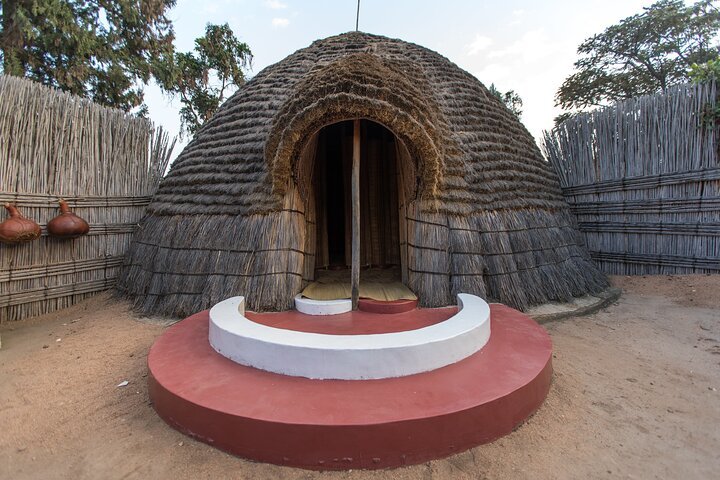
The King’s Palace Museum in Nyanza offers a window into the monarchy. The site features a reconstruction of the traditional royal palace. The large thatched structure is impressive. Long‑horned Inyambo cattle graze in the grounds. These sacred cows are beautifully trained. Their handlers sing to them. The museum explains the role of the Mwami, the king. Exploring Rwanda’s rich cultural heritage includes these historical sites. They tell the story of a proud and resilient people.
Traditional Villages and Living Culture
Iby’Iwacu Cultural Village near Volcanoes National Park brings traditions to life. Former poachers share their heritage. You watch dance performances. You learn basket weaving and drumming. The experience is hands‑on and joyful. The Batwa Cultural Trail offers a different perspective. The Batwa are the forest’s original inhabitants. They demonstrate ancient hunting and gathering skills. Their songs echo through the trees. The experience is authentic and moving. Exploring Rwanda’s rich cultural heritage through these village visits is unforgettable. You connect with people, not just exhibits.
Artisan Crafts and Art
Rwandan artisans create beautiful works. The agaseke basket is a national symbol. Women weave them from sisal and grass. The intricate patterns tell stories of peace and reconciliation. You can visit cooperatives and watch the weavers at work. You buy directly from the makers. Your purchase supports families and preserves skills. Imigongo paintings are another traditional art form. They use cow dung and natural pigments. The geometric patterns are striking. Exploring Rwanda’s rich cultural heritage includes these artisan crafts. Each piece carries centuries of tradition.
The Inema Arts Center in Kigali showcases contemporary art. Paintings, sculptures, and mixed‑media works fill the gallery. Local artists work on site. You can chat with them and buy unique pieces. The centre supports children’s programmes. Your visit contributes to the arts community. Rwanda’s creative scene is vibrant and growing. Exploring Rwanda’s rich cultural heritage reveals both ancient traditions and modern expression.
Practical Tips for Cultural Exploration
Hire local guides. They bring sites to life with stories and context. Dress modestly, especially at memorials and in villages. Ask before taking photographs. A smile and a greeting go far. Learn a few words of Kinyarwanda. “Muraho” means hello. “Murakoze” means thank you. Your effort is warmly appreciated. Exploring Rwanda’s rich cultural heritage requires sensitivity and respect. The rewards are immense. You leave with a deeper connection to the Land of a Thousand Hills.
Related posts


Leave a Comment