
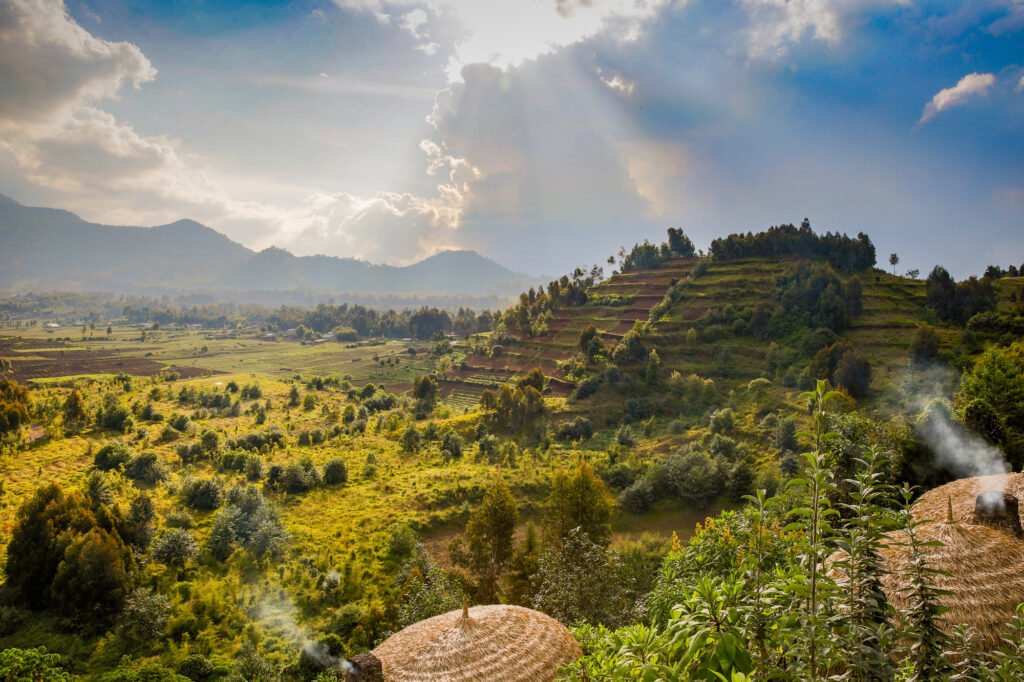
This Rwanda sustainable tourism guide explains how your visit can protect the environment and support local communities. Rwanda leads Africa in responsible tourism. The government has banned single‑use plastics. Revenue from gorilla permits funds conservation and development. Eco‑lodges use solar power and harvest rainwater. Your choices as a traveller matter. You can enjoy an incredible safari while leaving a positive legacy. This guide covers the principles and practices of sustainable tourism in Rwanda.
Sustainable tourism balances the needs of visitors, the environment, and local people. Rwanda has embraced this model wholeheartedly. The high‑value, low‑volume strategy limits visitor numbers. This reduces pressure on ecosystems. The Rwanda sustainable tourism guide helps you travel responsibly. Your safari will be both enjoyable and ethical.
How Gorilla Trekking Funds Conservation
The gorilla permit fee is the cornerstone of conservation funding. Your fifteen hundred dollars directly supports anti‑poaching patrols. Rangers remove snares and monitor gorilla health. Veterinary teams treat sick and injured animals. Community projects receive a share of the revenue. Schools, health centres, and water systems are built with tourism money. Former poachers work as guides and porters. The incentive to protect gorillas is stronger than the incentive to harm them. The Rwanda sustainable tourism guide highlights this virtuous cycle. Your trek saves lives.
Eco‑Lodges and Green Practices
Rwanda’s leading lodges have adopted strong environmental policies. Bisate Lodge runs a reforestation project. Singita Kwitonda Lodge uses renewable energy. Ruzizi Tented Lodge manages waste carefully. These properties employ local staff and source food locally. You can choose accommodation that aligns with your values. The Rwanda sustainable tourism guide recommends booking eco‑certified lodges. Your stay supports businesses that prioritise the planet.
Respecting Wildlife and Nature
Sustainable tourism requires responsible behaviour. Follow the trekking rules. Keep your distance from gorillas. Do not use flash photography. Stay on designated trails. Do not litter. Carry a reusable water bottle. Rwanda’s ban on plastic bags makes this easy. The Rwanda sustainable tourism guide encourages you to minimise your footprint. Small actions collectively make a big difference.
Supporting Local Communities
Engage with community tourism initiatives. Visit the Iby’Iwacu Cultural Village. Buy crafts from local cooperatives. Eat at local restaurants. Hire local guides and porters. Your spending circulates within the economy. The Rwanda sustainable tourism guide emphasises community engagement. You gain authentic experiences. Local people earn sustainable livelihoods. Everyone benefits.
The Future of Sustainable Tourism in Rwanda
Rwanda continues to invest in green tourism. New eco‑lodges are planned. Conservation programmes are expanding. The government’s commitment is unwavering. The Rwanda sustainable tourism guide shows that tourism can be a force for good. Your visit today supports this long‑term vision. The gorillas, the forests, and the people will thrive for generations.
Related posts


Leave a Comment