
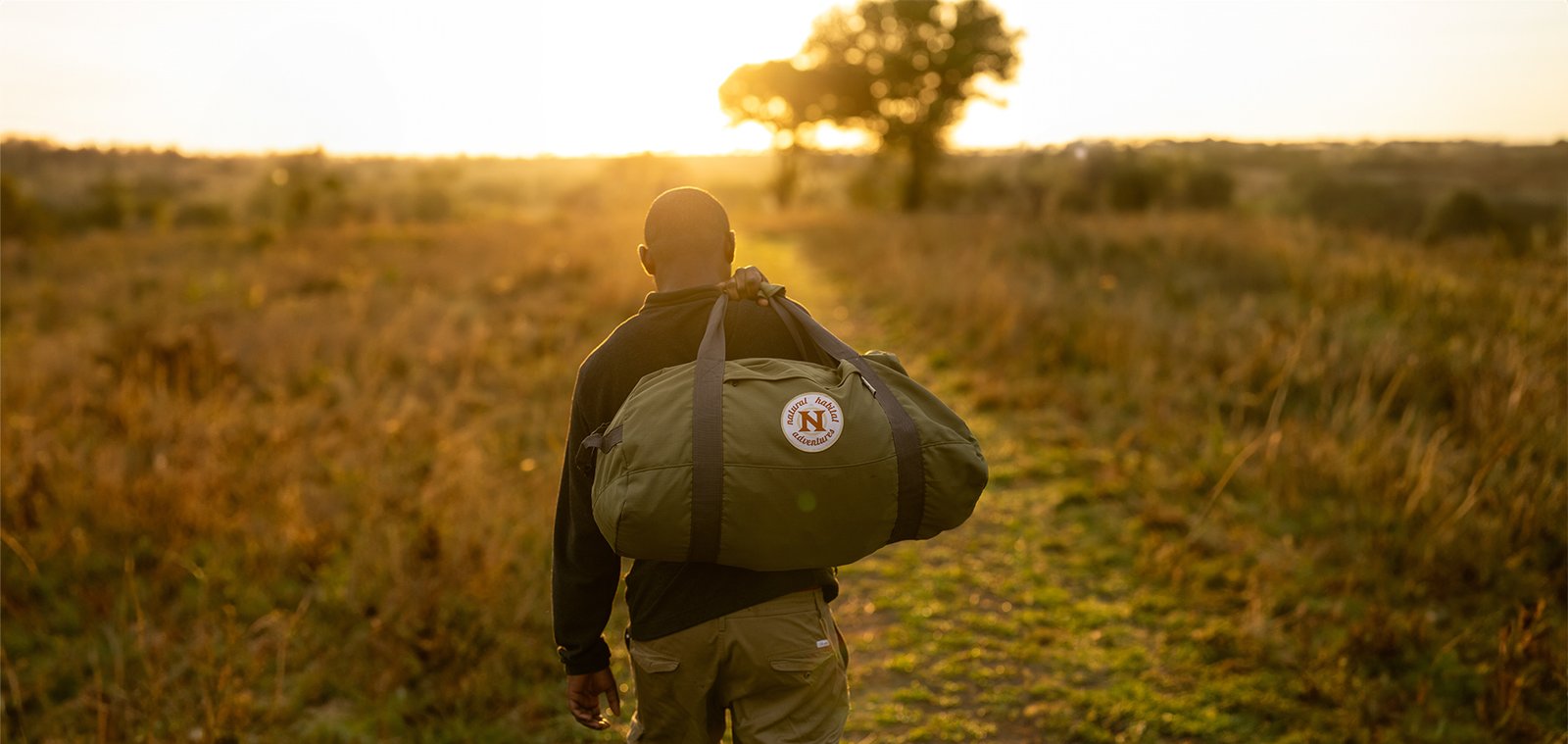
The best packing tips for African safaris will save you from discomfort and wasted luggage space. You dream of watching lions and tracking gorillas. You do not dream of lugging a heavy suitcase through the bush. Smart packing makes your safari smoother. You stay cool, dry, and ready for every wildlife moment.
East Africa is kind to those who pack light. The weather is warm by day and cool at night. The roads can be dusty or muddy. Your lodge will wash clothes. So you need far less than you think. I once saw a guest arrive with three huge suitcases. He used barely half his clothes. His back regretted the rest. Learn from him. Pack the essentials and leave the extras behind.
Clothing That Works in the Bush
Neutral colours are your best friend. Khaki, olive, and brown help you blend in. Bright white and dark blue attract tsetse flies. They also stand out and scare wildlife. Pack lightweight, long-sleeved shirts. They shield you from the sun and insects. Long trousers protect your legs from scratches and mosquitoes.
In addition, bring a warm fleece or jacket. Mornings and evenings can be chilly. Layers let you adapt quickly. A waterproof rain jacket is essential. Rain can fall at any time. Choose one that breathes. You will stay dry without overheating. Avoid jeans. They are heavy and take forever to dry. Go for quick-dry safari pants instead.
Footwear and Headgear
Sturdy, closed shoes are a must. Lightweight hiking boots work best. They support your ankles on uneven ground. Break them in before you travel. Blisters can ruin a game drive. Also pack a pair of sandals for the lodge. Your feet need to breathe after a long day. Do not walk barefoot in the bush. Thorns and insects are everywhere.
Moreover, protect your head and face. A wide-brimmed hat shields you from the sun. A baseball cap works too, but it leaves your neck exposed. Sunglasses reduce glare. The equatorial sun is intense. A buff or bandana keeps dust out of your mouth. You will thank yourself when following a dirt road. These small items make a huge difference.
The Right Gear and Gadgets
Binoculars are essential. Animals can be far away. A good pair brings them close. You do not need the most expensive ones. A compact 8x or 10x magnification is fine. Your camera should have a zoom lens. A 200mm lens captures distant wildlife. Bring extra memory cards and batteries. Charging points are limited in the bush. A power bank is a lifesaver.
Furthermore, a small daypack holds your daily items. Water, snacks, sunscreen, and your camera fit inside. A dry bag protects electronics from rain. A head torch is useful for night walks and power cuts. Leave jewellery at home. It attracts unwanted attention. A cheap watch and simple clothes keep you safe and comfortable.
Health and Toiletries You Should Pack
Insect repellent with DEET is non-negotiable. Mosquitoes carry malaria. Apply it every evening. Sunscreen with high SPF prevents burns. The sun is stronger than you think. Bring a basic first-aid kit. Include plasters, painkillers, and antiseptic cream. Anti-diarrhoea pills can save your trip. Your stomach may react to new food.
In addition, pack any personal medication. Keep it in your hand luggage. Pharmacies are scarce near parks. A reusable water bottle keeps you hydrated. Many lodges provide filtered water. Hand sanitizer is handy for quick clean-ups. Wet wipes freshen you up after dusty drives. Pack toiletries in small, leak-proof bottles. The best packing tips for African safaris always mention health first. A healthy traveler enjoys every moment.
Documents, Money, and Final Checks
Carry your passport and visa. Keep them in a waterproof pouch. Print your gorilla permit and insurance documents. Digital copies on your phone are a good backup. Bring some US dollars in cash. Small bills are best for tips and markets. ATMs are rare outside major towns. A credit card works at upscale lodges.
Most importantly, check your luggage weight. Many safari flights limit you to fifteen kilograms. Soft bags fit better in small planes. Hard suitcases are a nightmare. Pack a day or two before departure. Lay everything out. Remove anything you do not truly need. The best packing tips for African safaris all agree on one thing. Less is always more. You are visiting the wild, not a fashion show. Travel light and enjoy every second.
Related posts


Leave a Comment