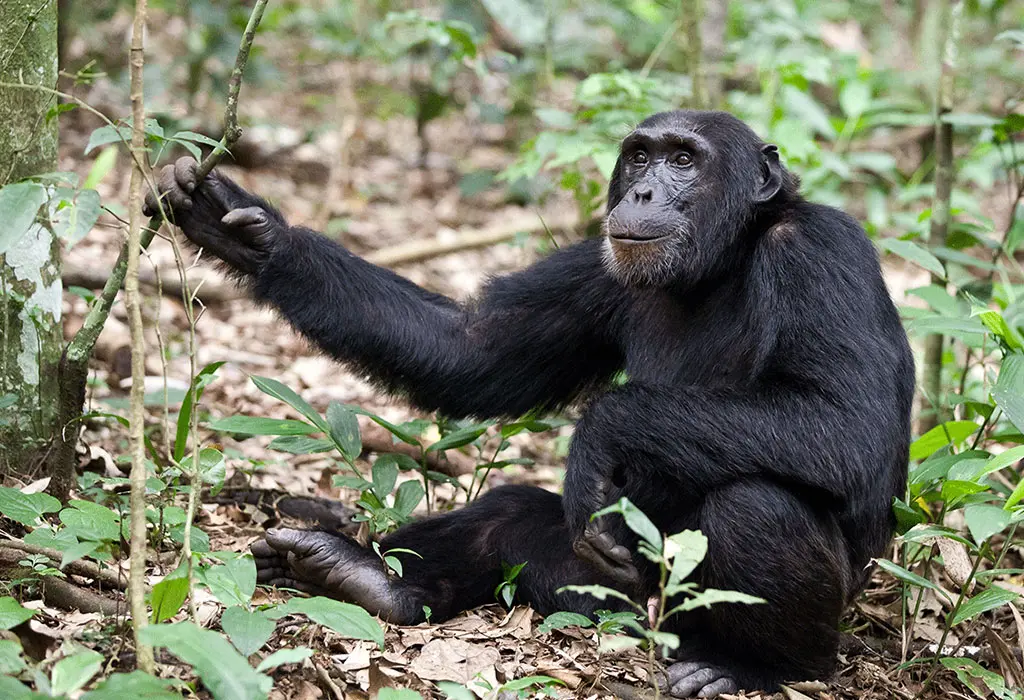
Kibale Forest National Park. Located in the rolling highlands of western Uganda, Kibale Forest National Park stands as one of the most extraordinary wildlife destinations on the African continent. Covering approximately 795 square kilometres of lush tropical rainforest, this remarkable park sits at an elevation ranging between 1,100 and 1,590 metres above sea level, creating a cool, mist-draped environment that supports an astonishing diversity of life. Whether you are a first-time safari traveller or a seasoned adventurer, a visit to Kibale Forest is a journey into the heart of Africa’s wild soul. If you are planning a trip that combines multiple Uganda highlights, our Safari Packages on Kigali Transfers to Bwindi offer expertly curated itineraries that include Kibale as part of a wider Uganda adventure.
Location and How to Get to Kibale Forest National Park
Kibale Forest National Park is located in western Uganda, near the town of Fort Portal, approximately 308 kilometres from Kampala. The drive from Kampala to Kibale takes roughly five to six hours by road, passing through scenic tea plantations and the Rwenzori foothills. The park headquarters and main visitor centre are situated at Kanyanchu, which serves as the launch point for most activities. Travellers coming from Rwanda can conveniently combine Kibale with a gorilla trekking experience at Bwindi Impenetrable Forest, with reliable private transfers available through our Travel Guide section to help you plan a seamless cross-border itinerary. Those flying in can use Entebbe International Airport and then connect by road or charter flight to the Fort Portal area.
Why Kibale Forest Is Called the Primate Capital of the World
Kibale Forest National Park holds the highest density and diversity of primates found anywhere in the world, and this reputation is well earned. The park is home to 13 species of primates, including the iconic East African chimpanzee, red colobus monkeys, black-and-white colobus monkeys, grey-cheeked mangabeys, olive baboons, blue monkeys, red-tailed monkeys, L’Hoest’s monkeys, bush babies, and pottos. This extraordinary concentration of primates in a single protected area is unmatched anywhere else on Earth, making it a magnet for wildlife researchers, conservation organisations, and eco-tourists alike. The Makerere University Biological Field Station within the park has been a hub of primate research for decades, contributing enormously to global understanding of chimpanzee behaviour and ecology.
Chimpanzee Tracking in Kibale Forest — The Ultimate Primate Encounter
The crown jewel of any Kibale Forest visit is chimpanzee tracking, and it consistently ranks among the most thrilling wildlife encounters in all of Africa. The park protects an estimated 1,500 chimpanzees, several of which have been habituated to human presence, meaning visitors can spend up to one hour in direct, close-range contact with a chimpanzee family in their natural forest habitat. Trekkers set out from Kanyanchu in the early morning with expert Uganda Wildlife Authority rangers, following forest trails through towering figs, mahogany, and strangler vines as the chimps call, swing, feed, and socialise above them. A chimpanzee trekking permit for Kibale currently costs USD 200 per person for foreign non-residents. For travellers who want to combine this experience with gorilla trekking at Bwindi, Kenlink Tours offers a well-structured 5 Days Gorilla and Chimpanzee Tracking Tour that covers both parks in a single seamlessly organised trip.
Chimp Habituation Experience — Going Deeper Into the Forest
For those seeking an even more immersive encounter, the Chimp Habituation Experience at Kibale Forest is an extraordinary option. Unlike the standard chimpanzee tracking which allows one hour with the chimps, the habituation experience lets visitors spend a full day with a chimpanzee family that is still in the process of becoming accustomed to human observers. Participants join researchers and rangers from dawn to dusk, witnessing natural behaviours including hunting, territorial displays, grooming, and play that would rarely be observed during a standard trekking session. The permit for the habituation experience costs USD 250 per person, and it is widely regarded as one of the most exclusive wildlife activities in Uganda. Booking in advance through a reliable operator is essential, and you can start planning your Kibale habituation experience through our Contact Page for personalised trip support.
The Bigodi Wetland Sanctuary — Birding and Community Tourism
Just outside the boundary of Kibale Forest lies the Bigodi Wetland Sanctuary, a community-managed conservation area that complements a Kibale visit beautifully. The sanctuary stretches across a swamp forest along the Magombe Swamp and is one of Uganda’s finest birding destinations, with over 200 bird species recorded, including the strikingly colourful Great Blue Turaco, African Grey Parrot, Papyrus Gonolek, and the elusive Nahan’s Francolin. Beyond birding, the Bigodi community walks offer visitors an intimate look at local culture, traditional medicine, and village life. Managed by the Kibale Association for Rural and Environmental Development, the sanctuary channels tourism revenue directly back into community schools, health programmes, and conservation education. Combining a Bigodi walk with chimpanzee tracking in Kibale makes for a deeply rewarding full-day experience. You can explore multi-day options that include Bigodi through the 7 Days Gorilla and Wildlife Safari offered by Kenlink Tours.
Wildlife Beyond Primates — What Else Lives in Kibale Forest
While primates steal the spotlight, Kibale Forest is far more than a primate sanctuary. The park supports a rich diversity of mammals, including African forest elephants, African buffalo, giant forest hogs, bushbuck, warthogs, and Uganda kob in the adjacent Queen Elizabeth National Park corridor. The Kibale–Queen Elizabeth corridor is one of the most ecologically significant wildlife connective zones in East Africa, allowing large mammals to move freely between the two parks. Kibale is also home to over 375 recorded bird species, making it a destination that serious birders should not miss. The forest floor, understorey, and canopy each support distinct bird communities, from tiny sunbirds to powerful crowned eagles. Mammal and bird enthusiasts can enjoy guided night walks in the park, a unique activity that reveals the nocturnal world of bush babies, civets, genets, and the forest’s many nocturnal birds.
Best Time to Visit Kibale Forest National Park
Kibale Forest can be visited year-round, but the dry seasons offer the most comfortable trekking conditions. Uganda has two primary dry seasons: from June to August, and from December to February. During these months, forest trails are less muddy, wildlife viewing is generally easier, and photography conditions are excellent. The wet seasons, running from March to May and September to November, bring heavy rainfall that transforms the forest into a vivid green paradise, but trails can become slippery and challenging. Chimpanzee trekking and habituation experiences are available throughout the year, with only Christmas Day and New Year’s Day as rest days. Many travellers choose to visit between June and August, combining Kibale with a Gorilla Trekking Uganda experience at Bwindi Impenetrable Forest, maximising their time in western Uganda’s extraordinary primate corridor.
Accommodation Options Around Kibale Forest
Kibale Forest and the surrounding Fort Portal area offer a broad range of accommodation to suit all budgets and travel styles. Luxury travellers are well catered for by properties such as Primate Lodge Kibale and Kyaninga Lodge, both of which offer forest-edge experiences with spectacular views and exceptional service. For mid-range visitors, Kibale Forest Camp and Chimpanzee Forest Guesthouse provide comfortable accommodation with easy access to park activities. Budget options and community-run guesthouses are available in Fort Portal town itself for travellers who prefer a more affordable stay. When booking your Kibale accommodation as part of a broader Uganda safari, working with an operator who knows the region is invaluable. Kenlink Tours, one of Uganda’s most experienced safari companies, provides fully inclusive packages through their 7 Day Wildlife and Primate Safari that includes carefully selected lodges near Kibale Forest.
Combining Kibale Forest with Other Uganda Destinations
One of the greatest advantages of visiting Kibale Forest is its proximity to several of Uganda’s other iconic destinations. Queen Elizabeth National Park, famous for its tree-climbing lions in Ishasha, its Kazinga Channel boat safaris, and exceptional big game viewing, lies just to the south. The Rwenzori Mountains National Park, home to Africa’s third-highest peak and stunning glaciers, is accessible from Fort Portal. Crater Lakes near Fort Portal offer scenic day trips and cultural encounters with the Batooro and Bakiga communities. To the east, Lake Mburo National Park offers Uganda’s only wild zebras and impala. All of these can be connected into a seamless road safari, and travellers arriving from Rwanda via Kigali can plan a comprehensive route through our Our Fleet page, where well-maintained safari vehicles with professional drivers are available for self-drive or guided transfers across the region. For an extended adventure covering Kibale alongside Bwindi and Kidepo, the 18 Days Ultimate Uganda Safari by Kenlink Tours is among the most comprehensive options available.
Essential Tips for Visiting Kibale Forest National Park
Visitors heading to Kibale should come prepared with comfortable, moisture-wicking clothing in neutral colours, sturdy waterproof hiking boots, and insect repellent. A light rain jacket is essential regardless of season, as forest showers can arrive quickly. Chimpanzee trekking requires a reasonable level of fitness, as hikes can last anywhere from one to four hours depending on where the chimps are located in the forest. Cameras with a good zoom lens are recommended since chimps move fast through the canopy. Trekking groups are limited to six people per habituated chimpanzee family to minimise disturbance, so advance booking is strongly advised, especially during peak season. All visitors must be at least 12 years old to participate in chimpanzee tracking activities per Uganda Wildlife Authority regulations. To make the most of your Kibale Forest experience and ensure all permits, transfers, and accommodation are expertly handled, reach out through our Contact Us page and let our team build your perfect Uganda primate safari from the ground up.


Leave a Comment