
Lake Mburo National Park. Tucked within the rolling hills of western Uganda, Lake Mburo National Park is one of the most rewarding and accessible wildlife destinations in the entire Pearl of Africa. Despite being one of Uganda’s smallest savannah parks, it punches well above its weight, offering an extraordinary variety of wildlife, landscapes, and activities that keep travellers coming back year after year. Whether you are planning a short weekend escape from Kampala or looking to add a scenic stopover to your broader East Africa safari circuit, Lake Mburo delivers a refreshing and intimate wildlife encounter unlike anything you will find in the larger, more crowded parks. If you are travelling across the region, our private safari transfers make getting there comfortable, safe, and entirely hassle-free.
Where Is Lake Mburo National Park Located
Lake Mburo National Park sits in Nyabushozi County, Kiruhura District, in the western region of Uganda. It lies approximately 240 kilometres west of Kampala, making it the closest national park to the capital city and a perfect destination for travellers with limited time. The drive from Kampala typically takes between three and four hours along the well-maintained Masaka-Mbarara highway, passing through charming trading towns such as Masaka and Lyantonde before arriving at the park gates. The park is also about 30 kilometres east of Mbarara, the nearest major city, which serves as a convenient base for supplies and overnight stays. For travellers coming from Rwanda, our team at Kigali Transfers to Bwindi specialises in smooth cross-border transfers, making Lake Mburo a natural and logical stopover on the way to or from Bwindi Impenetrable Forest. You can also explore more on the park through the expert guides at Kenlink Tours, who have extensive experience navigating Uganda’s national park network.
A Brief History of Lake Mburo National Park
The story of Lake Mburo National Park stretches back nearly a century. The area was first gazetted as a controlled hunting area in 1933 before being upgraded to a game reserve in 1963. It was officially declared a national park in 1983 and has since been managed by the Uganda Wildlife Authority. The park carries deep cultural significance as well. Within its boundaries lie several historically important sites, including Rubanga, where offerings were once made to ancestral spirits, Ruroko, associated with the legendary Bachwezi people, and Kigarama, where servants of ancient kings once resided. The surrounding Ankole sub-region has long been home to the Banyankole Bahima pastoralists, renowned for their magnificent long-horned Ankole cattle, which you will still spot grazing on the fringes of the park today. This blend of natural and cultural heritage gives Lake Mburo a depth of character that goes beyond its modest size on the map.
Wildlife You Will Encounter at Lake Mburo
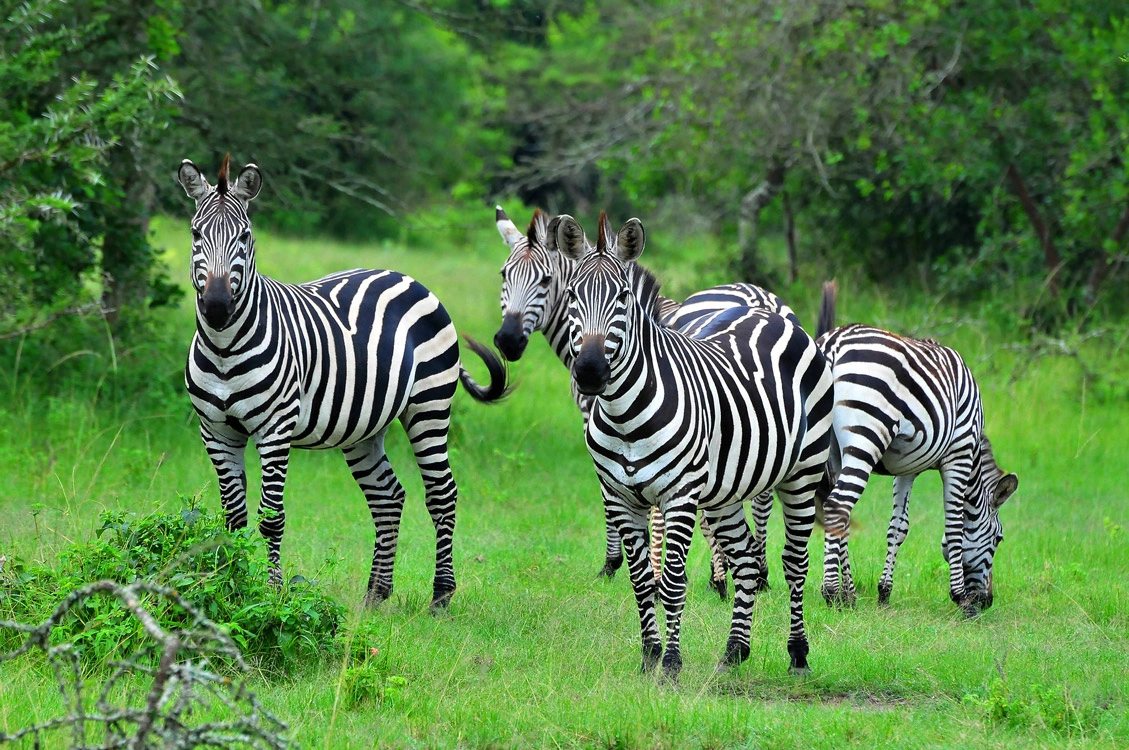
One of the most compelling reasons to visit Lake Mburo National Park is its impressive and unique wildlife portfolio. It holds the distinction of being the only national park in Uganda where you can see impalas in large numbers, and it is also home to one of the country’s biggest zebra populations, estimated at around 5,000 individuals. Game drives through the park reveal elands — the largest antelope species in Africa — alongside buffaloes, topis, waterbucks, reedbucks, bushbucks, warthogs, oribi, and duikers. Hippos and crocodiles inhabit the lake itself, while leopards are frequently spotted during night game drives, adding a thrilling element to evening excursions. Giraffes, reintroduced to the park as part of conservation efforts, are another rewarding sighting that delights visitors of all ages. As highlighted by the experts at Kenlink Tours, Lake Mburo offers a compact yet rewarding game drive experience that is ideal for families and first-time safari-goers.
Exceptional Birdwatching at Lake Mburo
For birdwatchers, Lake Mburo National Park is nothing short of a paradise. The park and its surrounding wetlands host over 350 recorded bird species, drawing enthusiastic birders from across the globe. Among the most prized sightings are the African finfoot, the papyrus gonolek, and the prehistoric-looking shoebill stork, a bucket-list species for serious twitchers. The park’s diverse habitats — ranging from open savannah and acacia woodlands to swamps, wetland fringes, and forested hillsides — support an extraordinary variety of avian life year-round. Early morning boat cruises on the lake are particularly rewarding for spotting water-associated species at close range, while guided walking safaris bring you near ground-dwelling birds that would otherwise be disturbed by vehicle noise. The Lake Mburo-Nakivali Wetland System was designated a Ramsar Wetland Site in 2006, recognising its international importance for migratory and resident waterbirds alike.
Activities to Do at Lake Mburo National Park
Lake Mburo National Park stands out not just for what you can see, but for the extraordinary range of activities available to visitors. It is one of Uganda’s most activity-rich parks, offering something meaningful for every type of traveller.
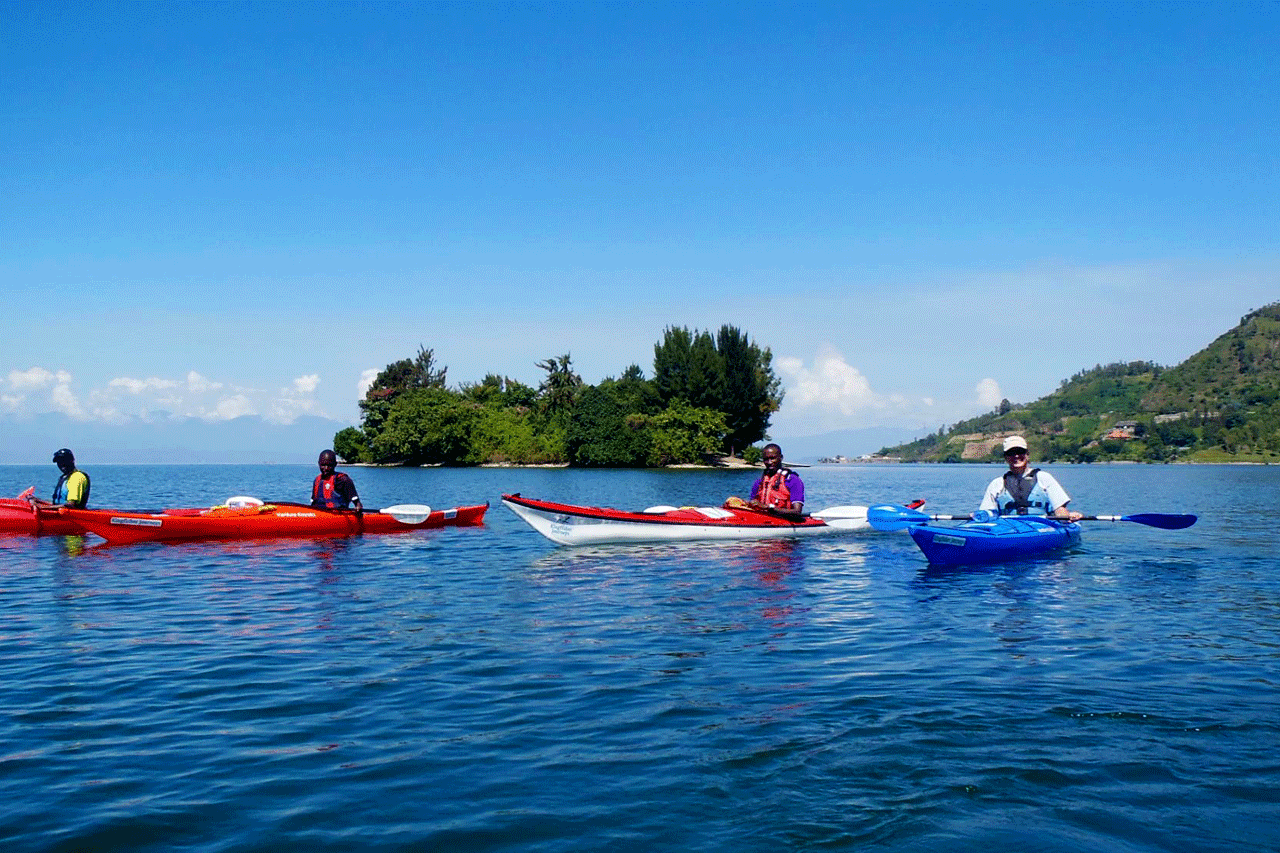
The boat cruise on Lake Mburo is the single most popular activity in the park. Departing from the Rwonyo jetty twice daily — in the morning at around 9:00 am and in the afternoon at around 2:00 pm — each cruise lasts between two and three hours and is led by an experienced Uganda Wildlife Authority guide. On the water, you drift past basking hippos, watchful crocodiles, and colourful kingfishers, with the rolling green hills of the park reflected in the glassy surface of the lake. As the team at Kenlink Tours notes, the boat cruise at Lake Mburo is one of those rare experiences that rewards both wildlife lovers and photographers in equal measure.
Game drives, conducted both during the day and after dark, are another highlight. Day game drives are perfect for spotting zebras, impalas, and giraffes across the open grasslands, while night game drives illuminate a very different cast of characters — leopards slinking through the undergrowth, bush babies with wide reflective eyes, and hyenas padding along the dusty tracks.
Walking safaris at Lake Mburo are genuinely special. This is one of the only national parks in Uganda where guided game walks are officially permitted, allowing you to experience the bush on foot alongside an armed ranger guide. Moving silently through the savannah, you engage with the sights, sounds, and smells of the wilderness in a way that no vehicle can replicate. If you are returning from gorilla trekking in Bwindi and need a relaxed but memorable stop, our safari packages can be tailored to include Lake Mburo on your homeward journey.
Horseback safaris offer yet another dimension, allowing riders of all experience levels to approach animals on horseback, often getting far closer than would be possible on foot or by vehicle. Bicycle safaris have also grown in popularity, providing an eco-friendly and exhilarating way to explore the park’s quieter trails. Sport fishing is available on the lake for those who prefer a tranquil morning on the water, with tilapia and catfish among the common catches.
Getting to Lake Mburo National Park
Reaching Lake Mburo National Park is straightforward, and its proximity to Kampala makes it one of the most accessible safari destinations in Uganda. Most visitors drive from Kampala along the Masaka-Mbarara road, a journey of roughly three to four hours. The road is generally well-maintained and offers a scenic drive through the Ugandan countryside. For travellers arriving from Rwanda, the park sits conveniently along the route between Kigali and Bwindi, making it an excellent stop on an extended safari itinerary. Our professional transfer services cover this route regularly, with a fleet of well-maintained safari vehicles driven by experienced guides who know every kilometre of the road. You can also fly into Mbarara or use charter flights to the Mbarara airstrip for a faster connection. For more information on distances and travel times across Uganda’s national parks, the Kenlink Tours distance guide is an excellent resource.
Where to Stay at Lake Mburo National Park
Accommodation at Lake Mburo National Park caters to a wide range of budgets, from simple bush camps to elegant wilderness lodges perched on rocky outcrops with sweeping views across the savannah and lake. Mihingo Lodge is widely regarded as the finest luxury option in the park, offering beautifully appointed rooms at around $175 per person per night, with the lake glittering below. Rwakobo Rock Lodge, Arcadia Cottages, Lake Mburo Safari Lodge, and Mburo Eagle’s Nest provide excellent mid-range options, typically ranging from $70 to $160 per person per night with meals included. For budget-conscious travellers, Hyena Hill Lodge, Rwonyo Rest Camp, and the park campsite offer basic but perfectly comfortable facilities from as little as $5 per night. Mantana Tented Camp and Mpogo Safari Lodge round out the choices with their own distinct character and charm. Booking well in advance is advisable during Uganda’s peak safari seasons of June to August and December to February, when the park is at its most atmospheric and wildlife sightings are most reliable.
Best Time to Visit Lake Mburo National Park
Lake Mburo National Park can be visited throughout the year, but the dry seasons offer the most comfortable and rewarding experience. From June to August, the dry, sunny weather makes game drives and walking safaris particularly enjoyable, with animals congregating around the lake and waterholes in larger numbers. December to February provides another excellent window, with clear skies and manageable temperatures. During the wetter months of March to May and October to November, the park turns lush and green, birdlife flourishes, and visitor numbers drop significantly — making it a rewarding option for those who prefer a quieter, more intimate safari atmosphere. Whatever time of year you visit, Lake Mburo’s compact size and diverse ecosystem ensure that there is always something remarkable to witness.
Why Lake Mburo Should Be on Your Uganda Safari Itinerary
Lake Mburo National Park may not have the towering reputation of Bwindi Impenetrable Forest or the grandeur of Murchison Falls, but it occupies a unique and irreplaceable niche in Uganda’s safari landscape. It is the most accessible savannah park in the country, the only one where you can walk freely among the wildlife, and the only one hosting impalas and large zebra herds. Its boat cruises are among the most relaxing and rewarding in East Africa, its birdlife is phenomenal, and its lodges offer genuine bush luxury without the premium price tags of more famous parks. Whether you are a solo adventurer, a family with children, or a couple seeking a romantic wilderness escape, Lake Mburo delivers an experience that is personal, peaceful, and profoundly memorable. To plan your visit and arrange reliable, comfortable transportation, get in touch with our team today and let us build your perfect Lake Mburo safari from the ground up.
Related posts

Leave a Comment