
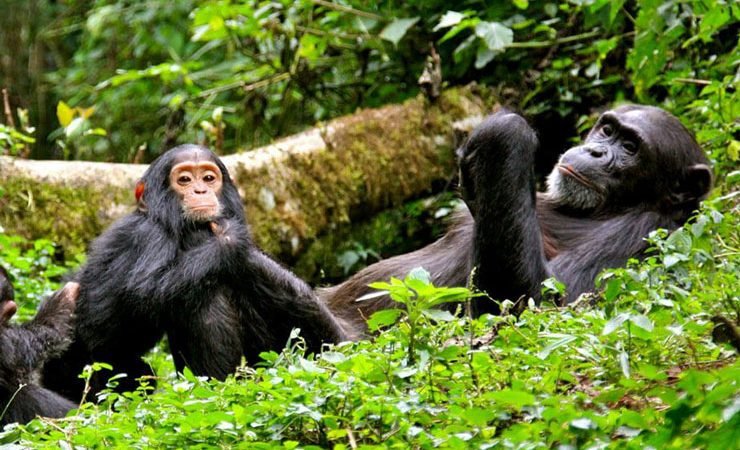
This Nyungwe Forest chimpanzee trekking guide prepares you for an encounter with our closest relatives. Nyungwe National Park in southwestern Rwanda protects a habituated chimpanzee community. Trekking to see them is the park’s headline activity. The experience differs greatly from gorilla trekking. Chimpanzees are more active, vocal, and fast‑moving. You hear their pant‑hoot calls echoing through the trees. You watch them swing and leap through the canopy. This guide covers every practical detail. Your chimpanzee trek will be safe, comfortable, and deeply memorable.
Nyungwe is one of Africa’s oldest rainforests. It covers over one thousand square kilometres. The Rwanda Development Board manages it in partnership with African Parks. The forest is rich in biodiversity. Thirteen primate species live here. The chimpanzee permit costs one hundred fifty US dollars for foreign non‑residents. Permits are limited. Advance booking is essential. The best time for chimpanzee trekking is the dry season from June to September and December to February. The trails are less muddy, and the chimps are easier to find. However, trekking is possible year‑round.
Obtaining Permits and Planning
You book your chimpanzee permit through the Rwanda Development Board or a licensed tour operator. Permits are date‑specific. You must choose your trekking date when booking. The Rwanda Development Board sells permits online. Their portal shows real‑time availability. Many travellers prefer to book through an operator. Operators bundle the permit with transport and accommodation. They also secure permits faster. Peak season permits sell out weeks or months in advance. Book as early as possible. Your Nyungwe Forest chimpanzee trekking guide strongly recommends advance booking.
The permit cost includes park entry, a ranger guide, and one hour with the chimpanzees. It does not cover transport, meals, or accommodation. You must arrange these separately. Children under twelve cannot trek. Rangers check passports at the briefing. The age limit protects both the chimps and young children. Chimpanzee trekking is less physically demanding than gorilla trekking. However, you still need moderate fitness. The trails are hilly. The altitude makes breathing harder. Training with regular walks helps you prepare.
The Chimpanzee Trekking Experience
Trekking starts early in the morning. You gather at one of three trailheads. Uwinka, Kitabi, and Gisakura all offer access. Rangers brief you on safety and behaviour rules. You keep a safe distance from the chimpanzees. You do not eat or drink near them. Flash photography is forbidden. The guides divide you into small groups. Trackers have already located the chimpanzees before dawn. They radio the guide with directions. You walk through the forest following their signals. The terrain is beautiful. Giant trees, ferns, and mosses surround you. Birds call from the canopy. The walk can take from one to three hours. The guide sets a moderate pace. You stop for water and to catch your breath.
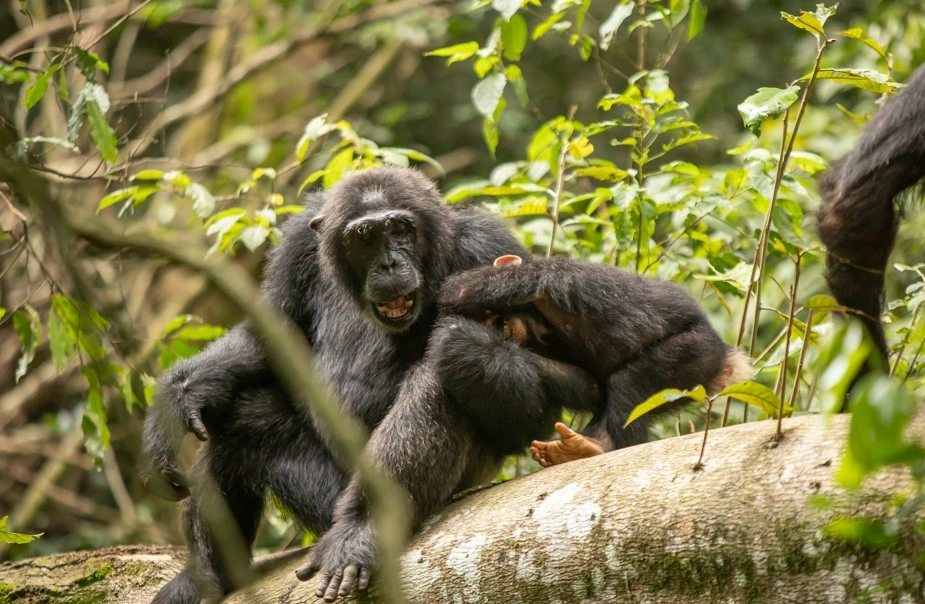
Suddenly, the forest comes alive. Pant‑hoot calls ring out. Your guide signals silence. You look up. Chimpanzees swing through the branches above you. They move fast, chase each other. They groom and rest. You watch a mother cradling her infant. A dominant male displays, drumming on a tree root. The sound resonates through the forest. Your hour passes quickly. The experience is energetic and thrilling. You leave the forest with a deep appreciation for these intelligent, complex animals. The Nyungwe Forest chimpanzee trekking guide helps you know exactly what to expect.
What to Wear and Pack
Wear long trousers and a long‑sleeved shirt. The forest has insects and nettles. Neutral colours work best. Sturdy hiking boots with good grip are essential. The trails can be muddy. A rain jacket protects against sudden showers. The forest is damp. A warm fleece helps on cool mornings. Gardening gloves protect your hands from thorns. You carry a small daypack. Water, snacks, and a camera fit inside. Binoculars help you see chimps high in the canopy. A zoom lens is useful for photography. Use silent mode. No flash. Your guide can carry extra items if needed. Pack light. The walk is comfortable when you are not overburdened.
A porter is not always needed for chimpanzee trekking. The trails are less demanding than gorilla trekking. However, porters are available if you want support. They carry your pack and offer a steadying hand. Their fee is modest. Your Nyungwe Forest chimpanzee trekking guide recommends hiring one if you have any concerns about fitness.
Combining Chimpanzee Trekking With Other Activities
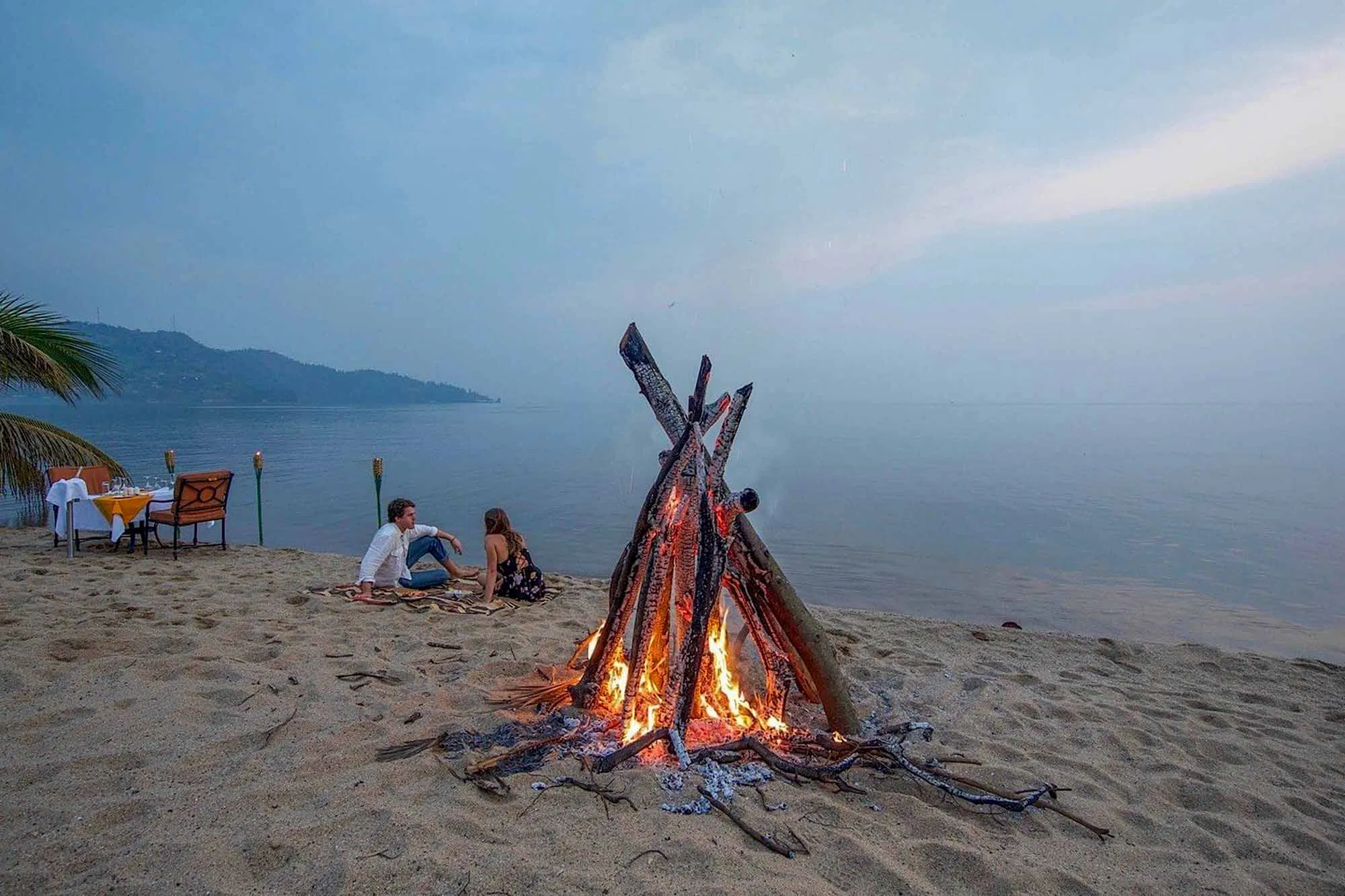
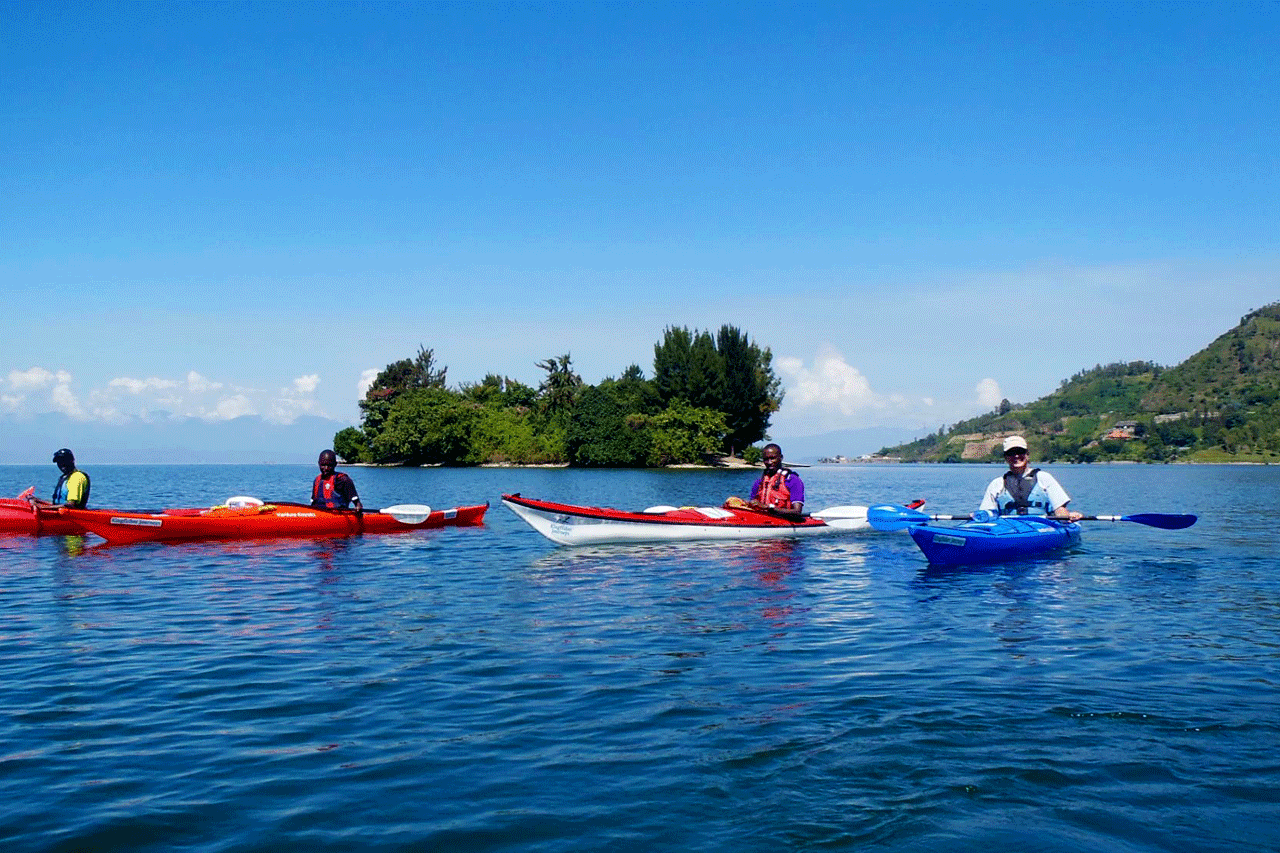
Nyungwe offers much more than chimpanzees. The canopy walkway is a signature experience. You walk among the treetops on a suspended bridge. The views are breathtaking. The Isumo Waterfall Trail leads to a beautiful cascade. Birding is exceptional. Over three hundred species live in the forest. Many are Albertine Rift endemics. You can also visit a tea plantation. The surrounding hills are covered in tea. A guided tour explains the process from leaf to cup. Nyungwe pairs well with Lake Kivu. The lake is about an hour away. You can relax by the water after your forest adventures. Your Nyungwe Forest chimpanzee trekking guide suggests spending at least two days in the park. One day for chimpanzees, another for the canopy walk and hiking. The forest will reveal its wonders to those who linger.
Related posts

Leave a Comment