
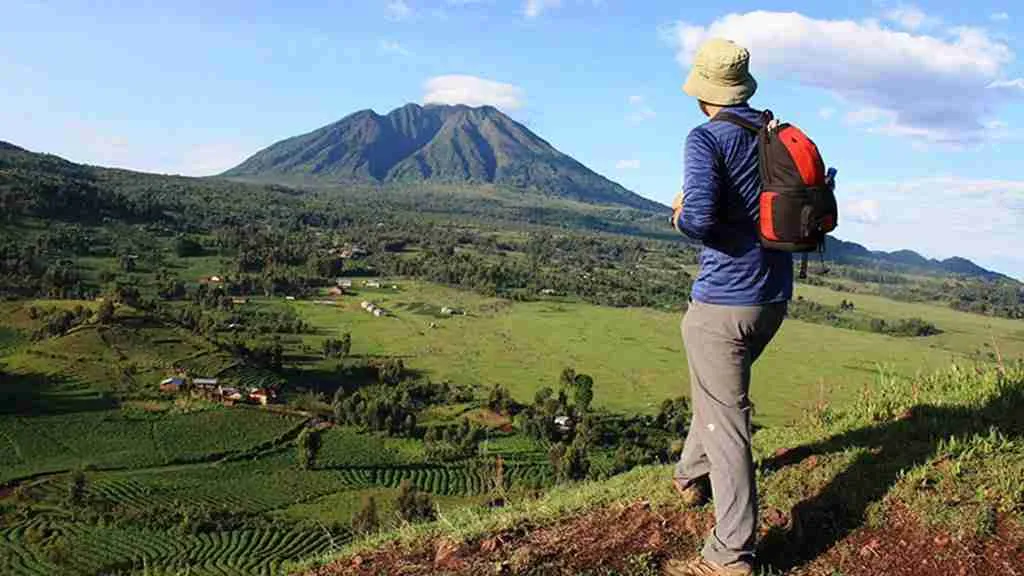
Exploring Community Tourism in Kisoro. Tucked into the far southwestern corner of Uganda, where the land folds into dramatic volcanic ridges and mist-wrapped highland valleys, lies Kisoro — one of the most compelling yet under visited destinations in East Africa. While most travellers pass through Kisoro as a stopover on their way to gorilla country, those who slow down discover a district that offers something rare in modern tourism: authentic, community-driven experiences that directly enrich the lives of local people. From ancient Batwa forest trails to terraced hillside villages and crater lake retreats, community tourism in Kisoro is quietly becoming one of Uganda’s most meaningful travel offerings.
Whether you are arriving overland from Kigali or planning a dedicated cultural extension to your gorilla trekking safari, Kisoro rewards curious travellers with a depth of human connection that few destinations in the region can match.
Why Kisoro Is the Heartbeat of Community Tourism in Uganda
Kisoro District sits at the convergence of three countries — Uganda, Rwanda, and the Democratic Republic of Congo — and the cultural richness of this tri-border region is palpable in every village you visit. The landscape is extraordinary: terraced potato and sorghum farms climb improbably steep hillsides, volcanic peaks of the Virunga range pierce the skyline, and crater lakes shimmer in the valleys below.
This is also one of the most densely populated rural districts in Uganda, which means that community tourism here is not a manufactured attraction — it is a genuine livelihood strategy, carefully developed over two decades to give local families a sustainable income from tourism that was previously concentrated exclusively in permit fees and lodge revenues. When you participate in a community experience in Kisoro, the money you spend stays almost entirely in the village.
The Batwa Cultural Trail: Walking with Uganda’s Forest Custodians
No community tourism experience in Kisoro is more profound or more historically significant than spending time with the Batwa people — the indigenous forest-dwelling community who lived inside Bwindi Impenetrable Forest and Mgahinga Gorilla National Park for tens of thousands of years before conservation laws relocated them to the forest margins in the early 1990s.
The Batwa Cultural Trail invites visitors to walk alongside Batwa elders and guides through the forest fringes as they share intimate knowledge of the natural world: the medicinal uses of specific plants, traditional honey harvesting techniques, ancient hunting methods, and spiritual relationships with the forest that stretch far beyond written history. The trail is led entirely by Batwa community members, and participation fees contribute directly to community welfare projects including schooling, healthcare, and land rights advocacy.
This experience is available as an add-on to most gorilla trekking packages departing from Kigali and is widely recognised as one of the most emotionally resonant cultural encounters available anywhere in East Africa. Responsible operators like Kenlink Tours have long championed the Batwa trail as an essential component of any Kisoro visit, recognising that the experience enriches the traveller while funding a community in genuine need.
Mgahinga Gorilla National Park: Where Silver Meets Gold
Just twelve kilometres from Kisoro town lies Mgahinga Gorilla National Park — a compact but extraordinary protected area covering 33.7 square kilometres at the base of three Virunga volcanoes: Muhabura, Gahinga, and Sabyinyo. While Bwindi draws the majority of gorilla trekkers, Mgahinga offers something uniquely special: the possibility of encountering both mountain gorillas and the rare and spectacularly colourful golden monkey in a single day.
The Nyakagezi gorilla family, Mgahinga’s resident habituated group, has around eleven members and frequently roams the park’s lower altitude zones, making treks here often shorter and less physically demanding than those in Bwindi’s steep interior. The golden monkey tracking experience in the bamboo zone is equally captivating — these endangered primates, endemic to the Albertine Rift, are extraordinarily photogenic and surprisingly playful in their high-altitude bamboo habitat.
For travellers who want to experience gorilla trekking in a less crowded, more intimate setting, Mgahinga represents outstanding value and an unmistakably different atmosphere to the Bwindi experience. The Kigali Transfers to Bwindi travel guide provides excellent detail on how to combine both parks across a multi-day itinerary from Rwanda, including the scenic drive through Kisoro that makes the whole journey worthwhile.
Lake Mutanda: A Community Paddling Experience Like No Other
Approximately eight kilometres from Kisoro town, Lake Mutanda stretches across a volcanic landscape dotted with islands that were inhabited by farming and fishing communities long before any tourist ever arrived. The lake is flanked by the Virunga volcanoes on the Congolese border and forested ridgelines to the north, creating a visual panorama that has no equal in Uganda.
Community tourism at Lake Mutanda centres on canoe excursions operated directly by local fishermen and village cooperatives. Visitors paddle traditional dugout canoes between the lake’s islands, stopping at local homesteads to learn about traditional fishing methods, banana beer brewing, craft weaving, and the agricultural calendar that governs life around the lake. Overnight stays in community-run bandas and guesthouses are available and provide an immersive alternative to conventional lodge accommodation.
The combination of Lake Mutanda with a Kisoro community visit makes a compelling two-day extension either before or after a gorilla trek. Travellers coming from Rwanda can incorporate this seamlessly into their itinerary by arranging a private transfer through Pick and Transfer Safaris, which offers flexible ground transportation options throughout southwestern Uganda and is well-versed in designing itineraries that blend wildlife and community experiences.
Village Walks and Cultural Homestays in the Kisoro Highlands
For those who want the most ground-level experience of Kisoro life, guided village walks through the highland communities above Kisoro town offer an unfiltered window into daily life in this corner of Uganda. These walks — typically two to four hours long — pass through working farmsteads, local markets, schools, and artisan workshops, with knowledgeable community guides providing context on Kiga and Bafumbira cultural traditions, clan systems, and the way farming practices have adapted to the volcanic soil of the Virunga foothills.
A growing number of families in the Kisoro area now offer genuine homestay experiences, where visitors share a meal cooked on a firewood stove, sleep in simple but welcoming rooms, and wake to the sound of children heading to school past misty hillsides. These homestays are organised through local community associations and represent tourism at its most honest: no stage management, no performance — just people inviting you into the rhythm of their lives.
For travellers planning a broader Uganda safari itinerary, Kenlink Tours incorporates cultural village experiences as standard elements of their Kisoro-based packages, recognising that community engagement deepens the value of any wildlife safari and creates connections that guests remember long after the gorilla encounter itself.
The Kisoro Market: A Living Cultural Institution
Every Tuesday and Saturday, Kisoro town’s main market transforms into one of the most vibrant trading gatherings in southwestern Uganda. Farmers from villages across the district carry produce down steep hillside paths to sell Irish potatoes, dried beans, sorghum, avocados, passion fruit, and handwoven baskets alongside hardware, textiles, and livestock.
Visiting the market is a free, organic community tourism experience that requires nothing more than curiosity and a willingness to engage. Market vendors are generally welcoming to respectful visitors, and the social energy of the gathering — the bartering, the gossip, the community news exchange — gives you a feel for Kisoro’s social fabric that no formal cultural tour can replicate. Hiring a local guide to accompany you ensures you understand what you are seeing and introduces you to vendors who may not otherwise be visible to a passing foreigner.
Getting to Kisoro: The Journey Is Part of the Experience
The overland journey to Kisoro is itself one of the most scenic drives in East Africa. Arriving from Kigali via the Cyanika-Bunagana border crossing, travellers are rewarded with views of the Virunga volcanoes, hairpin mountain roads lined with eucalyptus and banana groves, and the distinct sight of the Congo-Nile ridge receding behind them as they descend into Kisoro valley.
The border crossing at Bunagana is efficient for most nationalities, particularly those holding the East Africa Tourist Visa, which covers Uganda, Rwanda, and Kenya on a single $100 application and is the recommended document for travellers doing the Kigali-to-Kisoro-to-Bwindi circuit. Detailed guidance on border crossing requirements, road conditions, and transfer logistics is available in the Kigali Transfers to Bwindi travel guide, which is the most thorough resource available for this specific cross-border route.
For seamless private ground transportation from Kigali to Kisoro, including professional driver-guide services and 4×4 vehicles suited to mountain terrain, Pick and Transfer Safaris offer reliable and competitively priced options that can be booked alongside a broader safari package. Their fleet is appropriate for the mixed tarmac and murram roads typical of this route, and their team is experienced at coordinating community add-ons alongside wildlife permit logistics.
Responsible Tourism and the Kenlink Foundation
Community tourism in Kisoro is inseparable from the broader question of responsible travel, and several operators working in this region have made genuine commitments to channelling tourism revenue into local welfare. Kenlink Tours has an active community project supporting over 294 orphans in Kisoro district, contributing to school materials, partial school fees, and healthcare costs from every tour booking. This model of embedded community investment is increasingly what distinguishes ethical operators from those who simply use the word “community” as a marketing term.
When you choose operators and transport providers with documented community commitments in Kisoro, your trip becomes something more than personal recreation — it becomes a contribution to the district’s long-term social resilience. Exploring the full range of Uganda and Rwanda safari packages at Kenlink Tours gives you a clear picture of how responsible safari planning can integrate community experiences with wildlife encounters from start to finish.
Planning Your Kisoro Community Tourism Visit
The best time to visit Kisoro for community tourism aligns broadly with the dry seasons — June through September and December through February — when highland walking conditions are most favourable and village visits are not interrupted by the heavy afternoon rains of the March–May wet season. That said, Kisoro’s community experiences run year-round, and the lush green landscape of the rainy season has its own particular beauty for travellers who prefer quiet roads and vivid photography.
A realistic minimum for doing Kisoro community tourism justice is two to three days, allowing time for a village walk, a Batwa cultural trail, and a Lake Mutanda canoe excursion alongside or in addition to a gorilla or golden monkey trek. Many travellers find that adding this cultural layer to their Bwindi or Mgahinga gorilla experience transforms what might have been a single-wildlife-moment trip into a multi-dimensional journey that illuminates the human and ecological systems that make this corner of Africa so extraordinary.
To start planning your community tourism experience in Kisoro, whether as a standalone cultural trip or combined with gorilla trekking from Kigali, reach out directly through our Contact Us page for personalized itinerary support and transfer booking assistance. Our team is available around the clock to help you design a journey that is not only memorable for you, but genuinely beneficial for the communities of Kisoro.
Related posts




Leave a Comment