
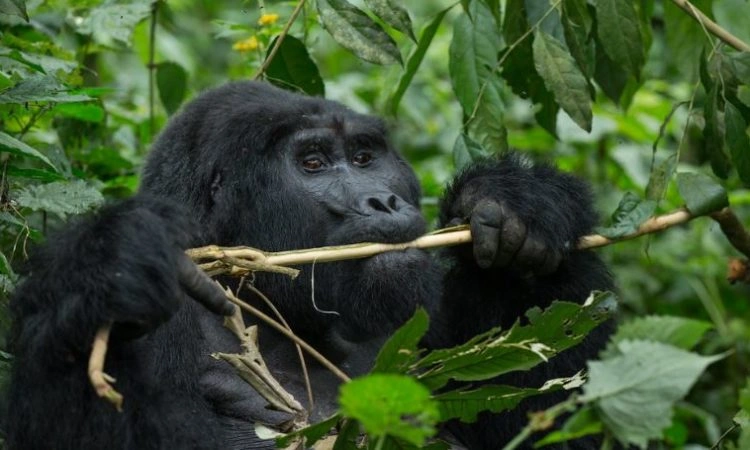
Travel Requirements for Congo Gorilla Trekking. Planning a gorilla trek in the Democratic Republic of Congo is one of the most extraordinary wildlife decisions a traveler can make. The DRC is the only country on Earth where you can encounter both mountain gorillas and eastern lowland gorillas in the wild — a privilege available nowhere else. But before you lace up your trekking boots and step into the ancient forests of Virunga National Park or Kahuzi-Biega National Park, there are important travel requirements you must meet. From permits and visas to vaccinations and packing lists, this guide covers everything you need to prepare for a safe, seamless, and unforgettable Congo gorilla trekking experience.
Why Choose Congo for Gorilla Trekking?
The Democratic Republic of Congo remains one of Africa’s most underrated gorilla destinations, precisely because it sees far fewer visitors than Uganda or Rwanda. That exclusivity translates into a more intimate, raw, and authentic gorilla encounter. Virunga National Park — a UNESCO World Heritage Site — is home to a significant population of endangered mountain gorillas, while Kahuzi-Biega National Park shelters the rare eastern lowland gorilla, found nowhere else on the planet.
Gorilla trekking permits in Congo are also more affordable, currently priced at around $400 USD — considerably lower than the $700 in Uganda. This makes the DRC a compelling destination for budget-conscious wildlife enthusiasts who still want a world-class primate experience. For a broader look at permit comparisons and gorilla trekking options across East Africa, the team at Kenlink Tours has an expert breakdown of gorilla trekking in Virunga National Park that is well worth reading before you book.
If you are traveling to Congo from Rwanda or Uganda, our gorilla trekking safaris and transfer packages make it simple to combine Congo with a broader East Africa itinerary — all in one smooth, professionally managed journey.
Congo Entry Visa Requirements
Every international visitor to the Democratic Republic of Congo requires a valid entry visa before arrival. Congo does not offer visa-on-arrival for most nationalities, so you must apply in advance through the DRC embassy or consulate in your home country or a regional embassy if you are already in East Africa.
If you are traveling from Rwanda, the DRC embassy in Kigali processes tourist visas. If you are based in Uganda, apply at the DRC consulate in Kampala. Visa processing typically takes five to ten business days, so begin your application at least three weeks before your planned travel date to avoid unnecessary stress. You will need a valid passport with at least six months of remaining validity, two recent passport-size photographs, a completed visa application form, proof of travel arrangements or a letter of invitation from a licensed tour operator, and proof of yellow fever vaccination (discussed below).
Ensure your passport has at least two blank pages for entry and exit stamps. Our travel guide has practical guidance on crossing borders between Rwanda, Uganda, and the DRC as part of a multi-country gorilla safari itinerary.
Yellow Fever Vaccination — Non-Negotiable
Proof of yellow fever vaccination is a strict entry requirement for the Democratic Republic of Congo. Border officials will ask to see your International Certificate of Vaccination (commonly called the “yellow card”) upon arrival, and travelers without it may be refused entry or forced to receive a vaccination at the border under conditions that are far from ideal.
You must receive your yellow fever vaccine at least ten days before your travel date for it to be valid. If you have not been vaccinated before, visit a travel health clinic well in advance of your departure. The yellow fever vaccine provides lifetime immunity, so if you have already been vaccinated, carry your original yellow card. This requirement applies to all travelers regardless of nationality, including those connecting from yellow-fever-free countries.
Beyond yellow fever, your travel doctor may also recommend prophylactic medications for malaria, which is prevalent throughout the Congo basin. Anti-malarial medication, combined with long-sleeved clothing, insect repellent, and mosquito nets, significantly reduces your risk. Speak to a travel health professional at least six to eight weeks before your journey.
Gorilla Trekking Permits — How to Secure Yours
A gorilla trekking permit is the most critical document after your visa. Without it, you cannot legally participate in any gorilla trek in the DRC. Permits for Virunga National Park are managed by the park authority (ICCN — Institut Congolais pour la Conservation de la Nature) and must be booked in advance through a licensed tour operator.
Demand for Congo gorilla permits fluctuates, but availability during peak season (June–September and December–January) can be limited. It is strongly advisable to book your permit at least three to six months in advance if you plan to visit during the dry season. Kenlink Tours specializes in securing gorilla permits across Uganda, Rwanda, and Congo and can handle the entire booking process on your behalf, ensuring your permit is confirmed before you travel.
Each gorilla trek limits the number of visitors to eight people per gorilla family per day, a rule strictly enforced to minimize disturbance to the animals. Once you reach the gorilla group, you will have exactly one hour in their presence — a brief but absolutely transformative encounter. Gorilla tracking is conducted early in the morning, starting at around 7:30 AM from the sector headquarters, and can last anywhere from thirty minutes to a full day depending on where the gorillas have nested.
For travelers interested in combining Congo with Uganda’s world-famous Bwindi Impenetrable Forest, our 3-day gorilla trekking package starting from Rwanda is a popular choice that covers both countries efficiently and comfortably.
What to Pack for a Congo Gorilla Trek
Packing correctly for a Congo gorilla trek is about balancing practicality, comfort, and conservation responsibility. The forests of Virunga and Kahuzi-Biega are dense, wet, and often steep — your clothing and gear must match the terrain.
Wear long-sleeved shirts and long trousers in neutral, earthy tones (green, khaki, brown). Bright colors are discouraged as they can disturb the gorillas. You will need a pair of strong, waterproof hiking boots with ankle support — the forest floor can be muddy and slippery year-round. Gaiters are also highly recommended to protect your legs from nettles and ants on the forest floor.
Carry a daypack with the following essentials: rain jacket or waterproof poncho, at least two liters of drinking water, energy snacks (nuts, energy bars, dried fruit), insect repellent, a basic first aid kit, a camera with a fully charged battery, and extra memory cards. Flash photography is strictly prohibited near the gorillas as it frightens them and disrupts natural behavior.
A walking stick or trekking pole, often provided by the park or available for rent, is invaluable on steep terrain. Gloves are also useful, particularly in the higher altitude areas of Virunga where mornings can be cool.
Health and Safety Considerations
Gorillas share approximately 98% of human DNA, which means they are susceptible to the same respiratory diseases and illnesses that affect us. Congo’s park authorities enforce a strict 7-metre distance rule between visitors and gorillas at all times to reduce disease transmission. If you are sick with a cold, flu, or respiratory infection on the day of your trek, you will be politely but firmly turned away — no refund is given in most cases. It is always better to disclose any illness to your guide and consider purchasing travel insurance that covers permit cancellations.
All trekking groups are accompanied by armed park rangers for security throughout the trek. The security situation in the eastern DRC requires awareness, but Virunga National Park and its surrounding areas designated for tourism are carefully managed and monitored. Traveling with a reputable, licensed operator substantially reduces any security risk.
Our contact page is always open if you want to speak with our team about the latest security conditions and how we plan safe, worry-free gorilla trekking transfers across the region.
Getting to Congo — Transport and Transfers
Most travelers reach the DRC through Goma, the major city in eastern Congo on the border with Rwanda. Kigali International Airport in Rwanda is by far the most popular and convenient entry point for international travelers heading to Congo, given its connectivity to major global hubs and its proximity to the Rubavu-Goma border crossing — just two hours away.
From Kigali, road transfers to Goma and onward to Virunga National Park take approximately two to three hours, depending on border crossing times. For a comfortable, professional transfer experience, our private safari vehicles — including 4×4 Land Cruisers, safari vans, and Toyota Prado models — are purpose-built for this route and driven by experienced guides who know the roads intimately.
If you are flying into Entebbe, Uganda, before crossing into Congo, we also provide seamless gorilla trekking transfers across the Uganda-Congo border, making your multi-country safari itinerary effortless to execute.
For comprehensive gorilla trekking packages in Uganda that pair perfectly with a Congo extension, Kenlink Tours’ Uganda gorilla trekking guide is an excellent resource to explore before finalizing your itinerary.
Best Time to Go Gorilla Trekking in Congo
Gorilla trekking in the DRC is possible year-round, but the experience is most comfortable during the dry seasons: June to September and December to January. During these months, trails are drier and less muddy, making trekking physically easier and more enjoyable. Skies are clearer, which also improves wildlife photography conditions.
The rainy seasons (March–May and October–November) bring lush, green forests and fewer tourists, offering a quieter experience for those who don’t mind a wetter trek. Gorilla sightings are equally rewarding in the wet season since the animals remain within their established home ranges regardless of rainfall.
Kenlink Tours’ expert guide on gorilla trekking seasonality across Uganda, Rwanda, and Congo breaks down the best months in detail to help you time your trip perfectly.
Book Your Congo Gorilla Trekking Transfer Today
Congo gorilla trekking is a once-in-a-lifetime adventure that rewards careful preparation. With the right visa, a confirmed gorilla permit, valid vaccination documentation, suitable gear, and a trusted transport partner, your journey into the heart of Africa’s gorilla country will be everything you dreamed of — and far more.
At Kigali Transfers to Bwindi, we specialize in making gorilla trekking travel accessible, comfortable, and memorable. Whether you need a reliable transfer from Kigali to Virunga, a customized multi-country safari package, or expert advice on planning your itinerary, our team is ready to help.
Related posts

Leave a Comment